Tu logotipo va aquí
PORTFOLIO
JULIAN JULVEZ
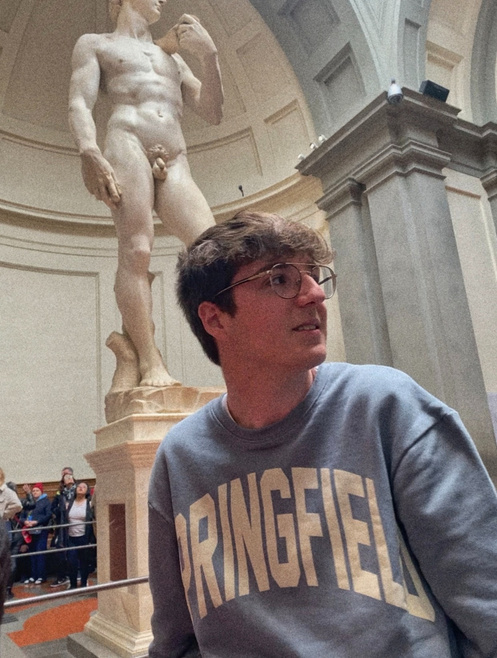
I’M Currently a 3rd grade student at the escuela técnica superior de arquitectura from the university of navarra, in pamplona, spain.
since i was little i’ve been interested in art, design, interior design, construction and architecture.
I trully believe that architecture is the perfect balance between the technical and the artistic.
ABOUT ME
CURRICULUM
CONTACT
50011, Zaragoza
+34 620 91 77 48
julianjulvezgaspar@gmail.com
BIRTH DATE
09/04/2004
EDUCATION
University of navarra (unav)
pamplona, 3rd grade architecture (‘27)
Extension activities program
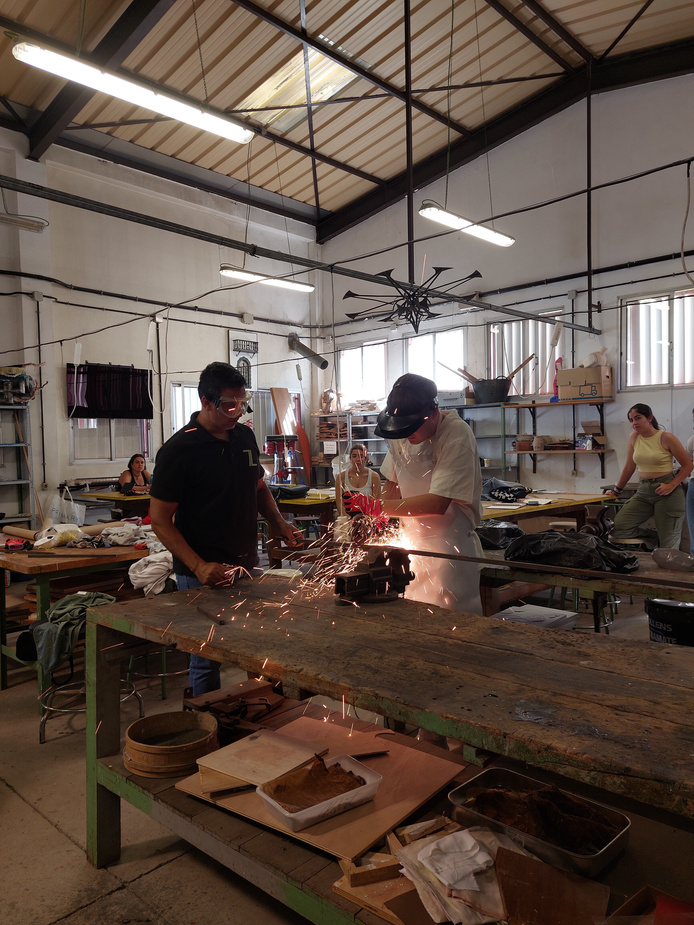
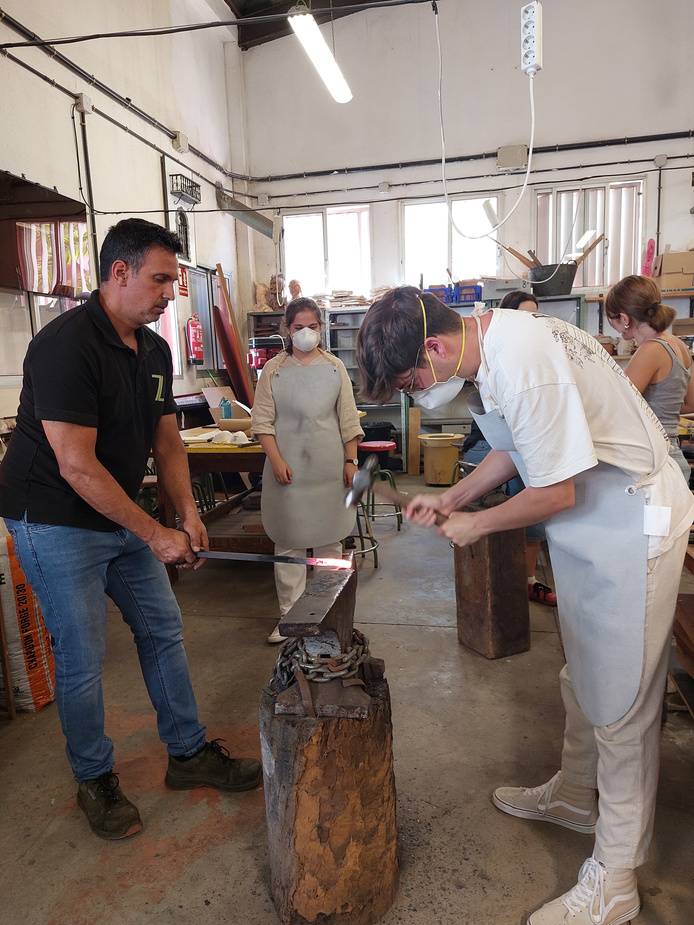
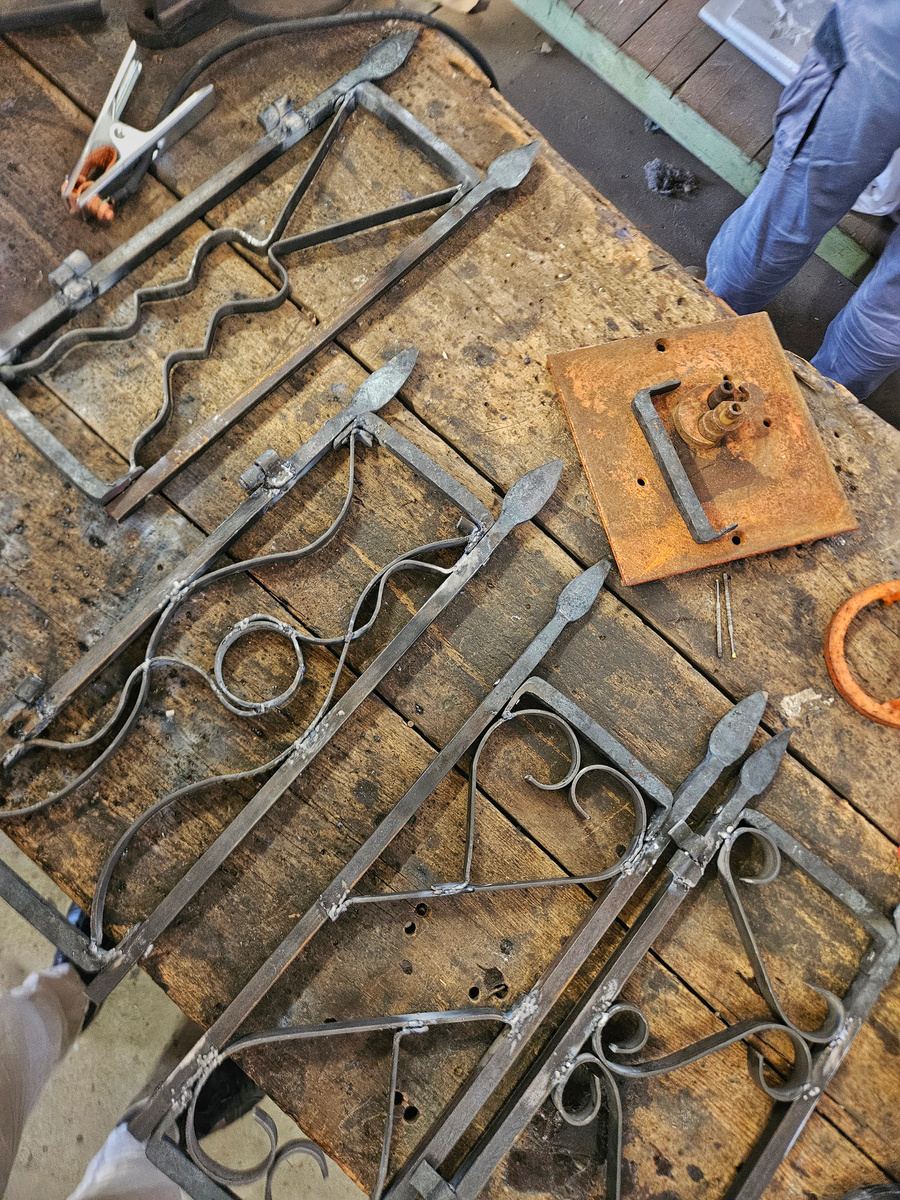
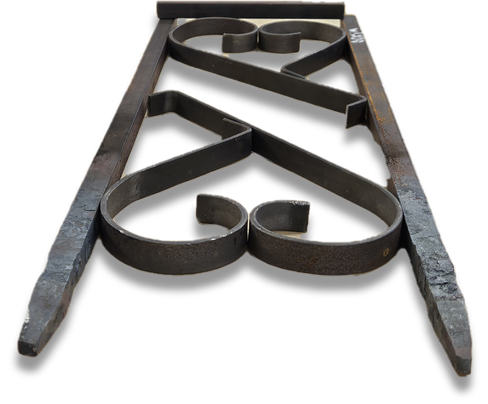
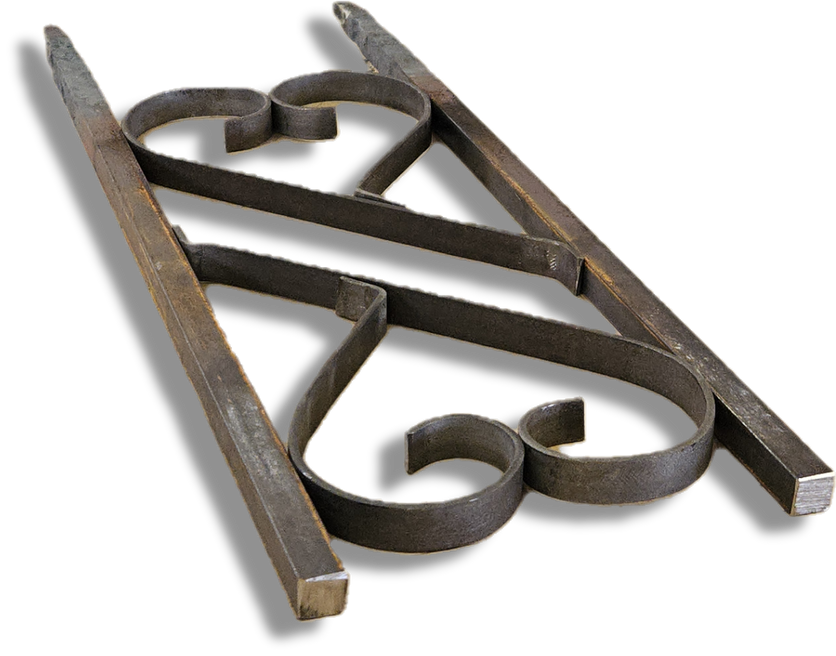
La palma, metal crafts (‘24)
schloss schule kirchberg boarding school
Kirchberg an der Jagst, germany (trimester)
san alberto magno school
zaragoza, high school average grade: 8,9/10
TD1 CERTIFICATE (ski instructor)
SAFE FORMACIÓN ('20)




SKILLS
technical drawing skills
project design and management
graphic design
MICROSOFT WORD/POWERPOINT/EXCEL
rhinoceros, autocad and procreate knowledge
c1 cambridge level / c1 goethe niveau
B2 Escuela de idiomas (aleman e inglés)
MY WORKS SO FAR
SELECTED
PROJECTS
Each and every one of my projects is unique and follows the statement presented by our proffesors.
The ones selected are the most different, complicated or interesting ones to look at, from the idea and the design to the final plans and other graphic elements.
All of them stand out for having an interesting concept behind them, defying classic or traditional ways to contemplate architecture.
THE ART OF COLLAGE
My favorite technique for representing my designs in my projects is collage.
It can be used to generate new ideas, to represent projects, or as part of the design method and process itself. The central idea is defined as a work of representation made with various different materials combined or collected together.
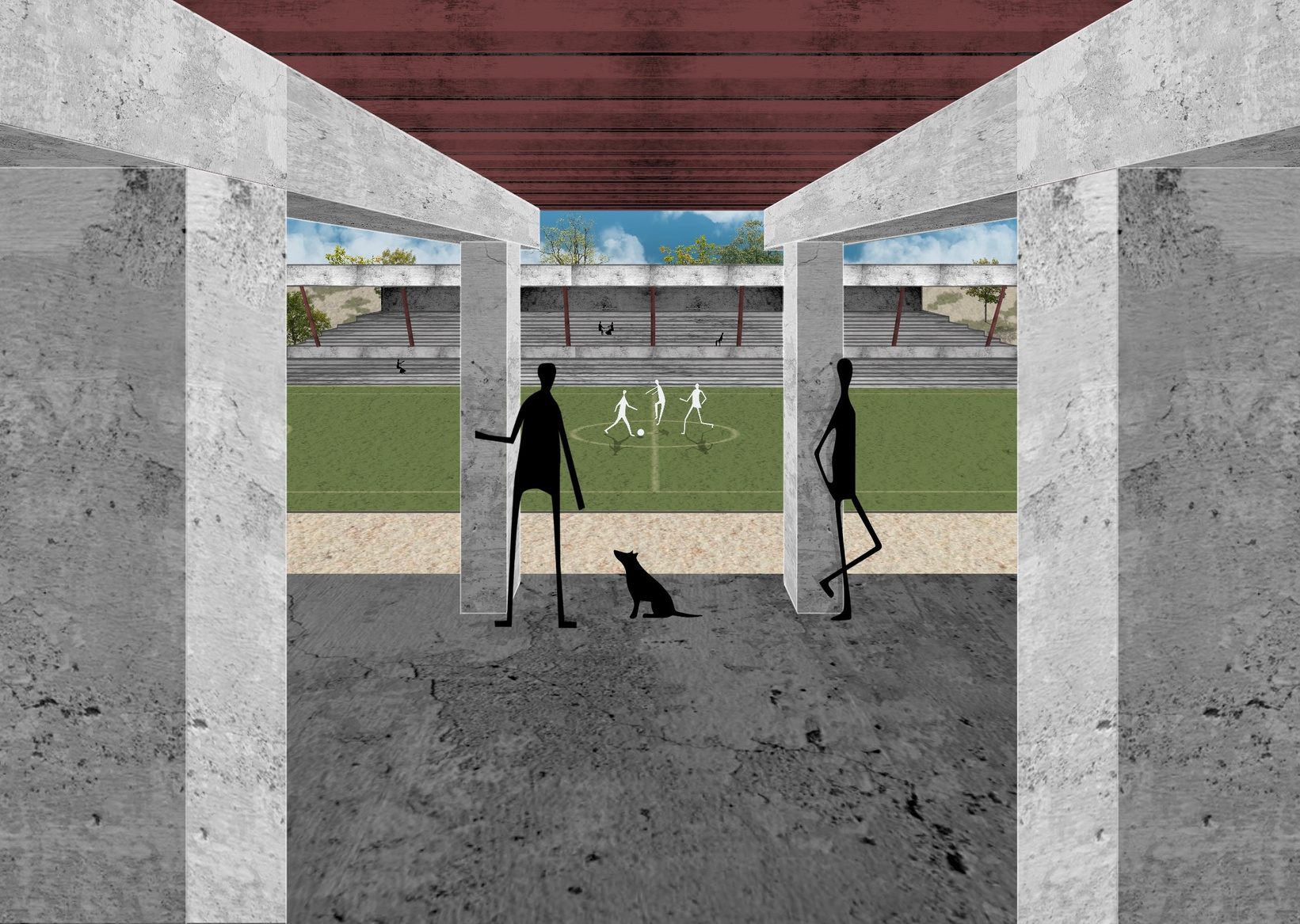
Interior perspective (Osasuna’s New Stadium)
Exterior perspective (Osasuna’s New Building)
Oteiza Museum New Residential Building Perspective
3 Burgos square imaginative collage
Etsa UNAV imaginative collage

FIRST YEAR
CHAIR DESIGN
VERSATILITY OF DESIGNING
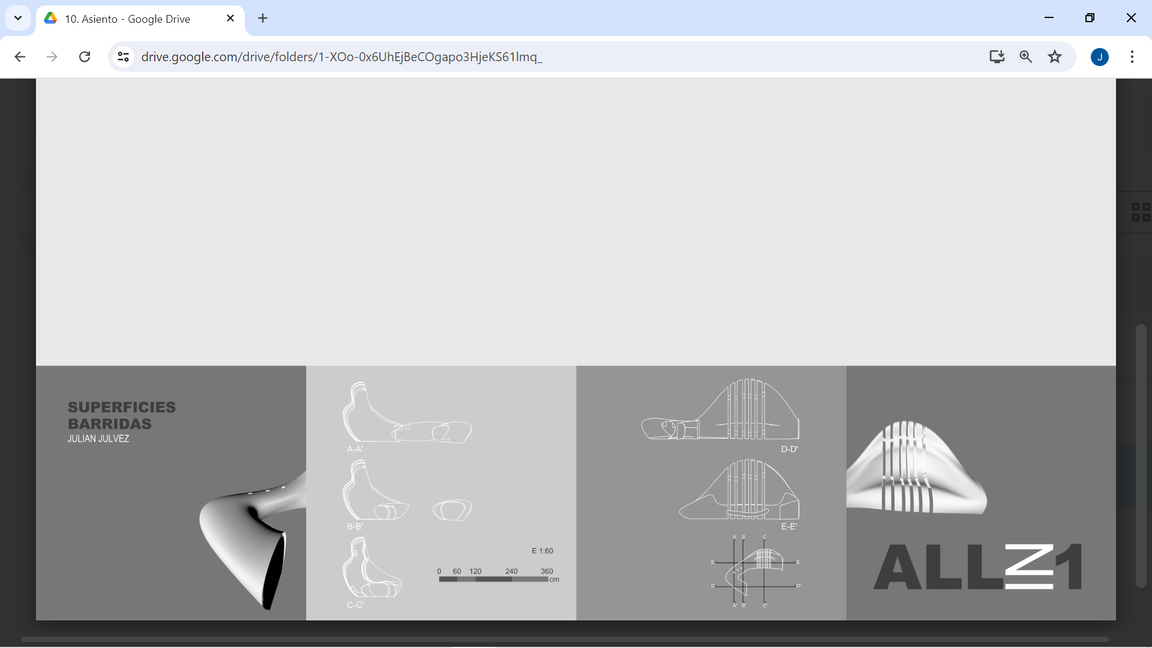
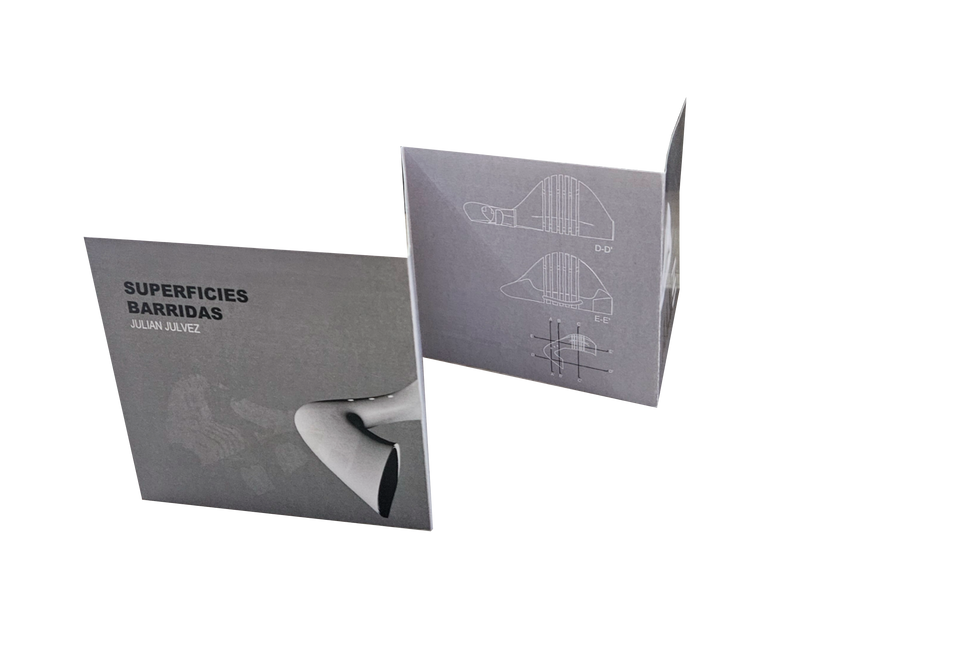
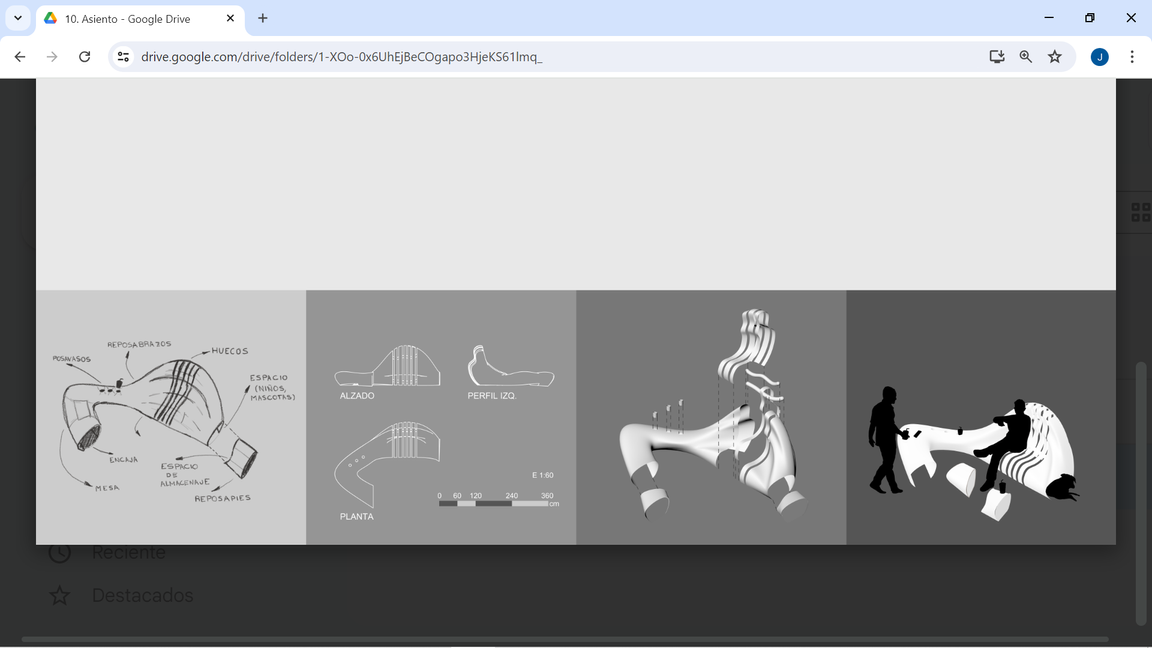
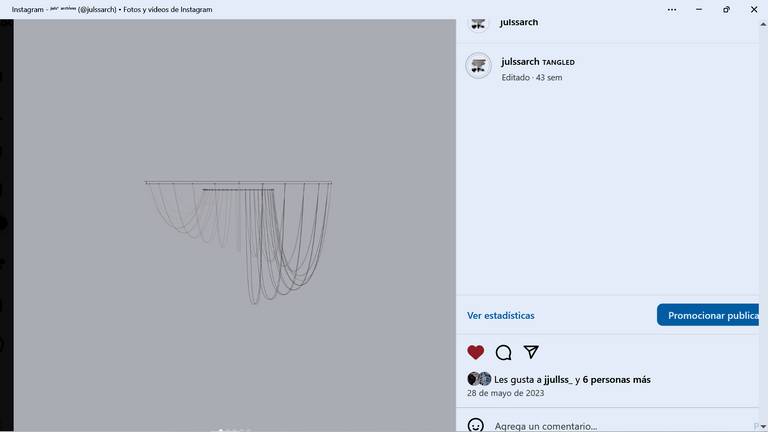
SOME GEOMETRIES LEARNED AND APPLIED
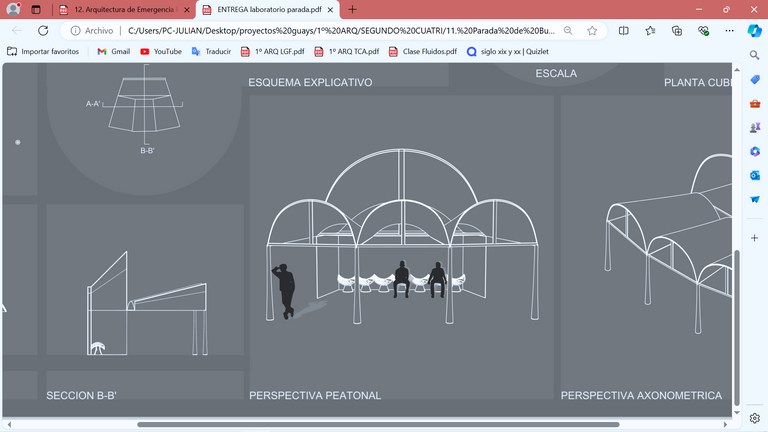
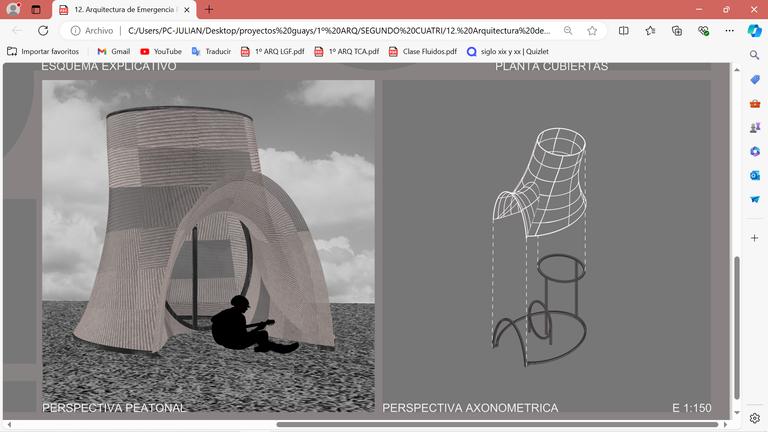
CATENARIES
RULED SURFACES
MINIMUM SURFACES
TALLER DE CREACIÓN ARQUITECTÓNICA
FINAL WORKSHOP
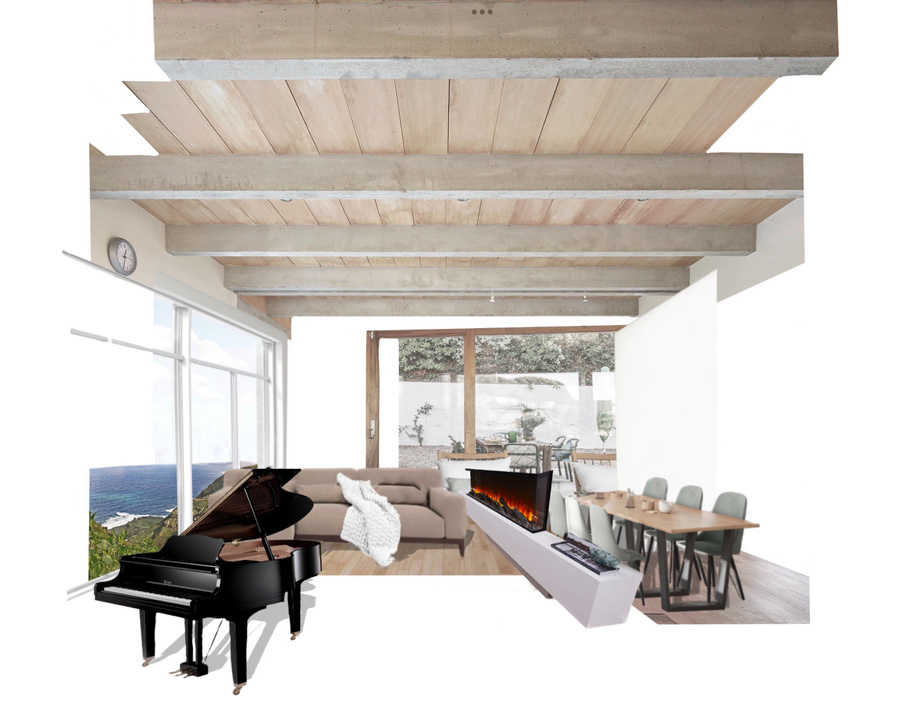
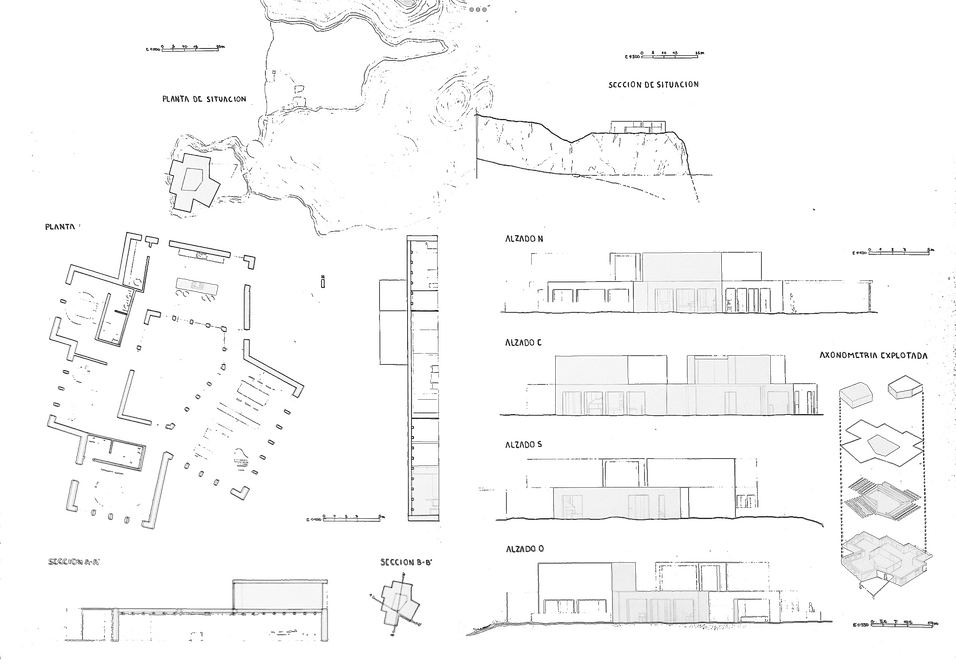
This is the last project of the year, two A2 hand-drawn papers. A sketch of an unbuild house designed by Alvar Aalto was given to us. My solution for the program was to break the original square sketch to “explote” the floor plan, therefore creating the different rooms of the house. I also experimented combining different materials of the floors, walls and furniture.

MOODBOARD
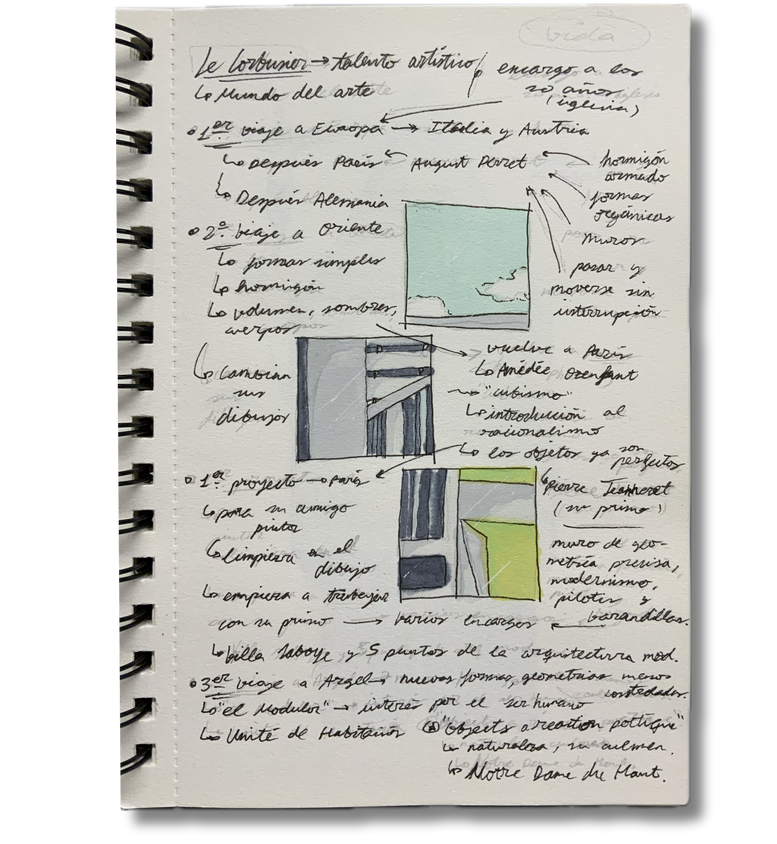
LE CORBUSIER
ROUTE to visit his most important buildings
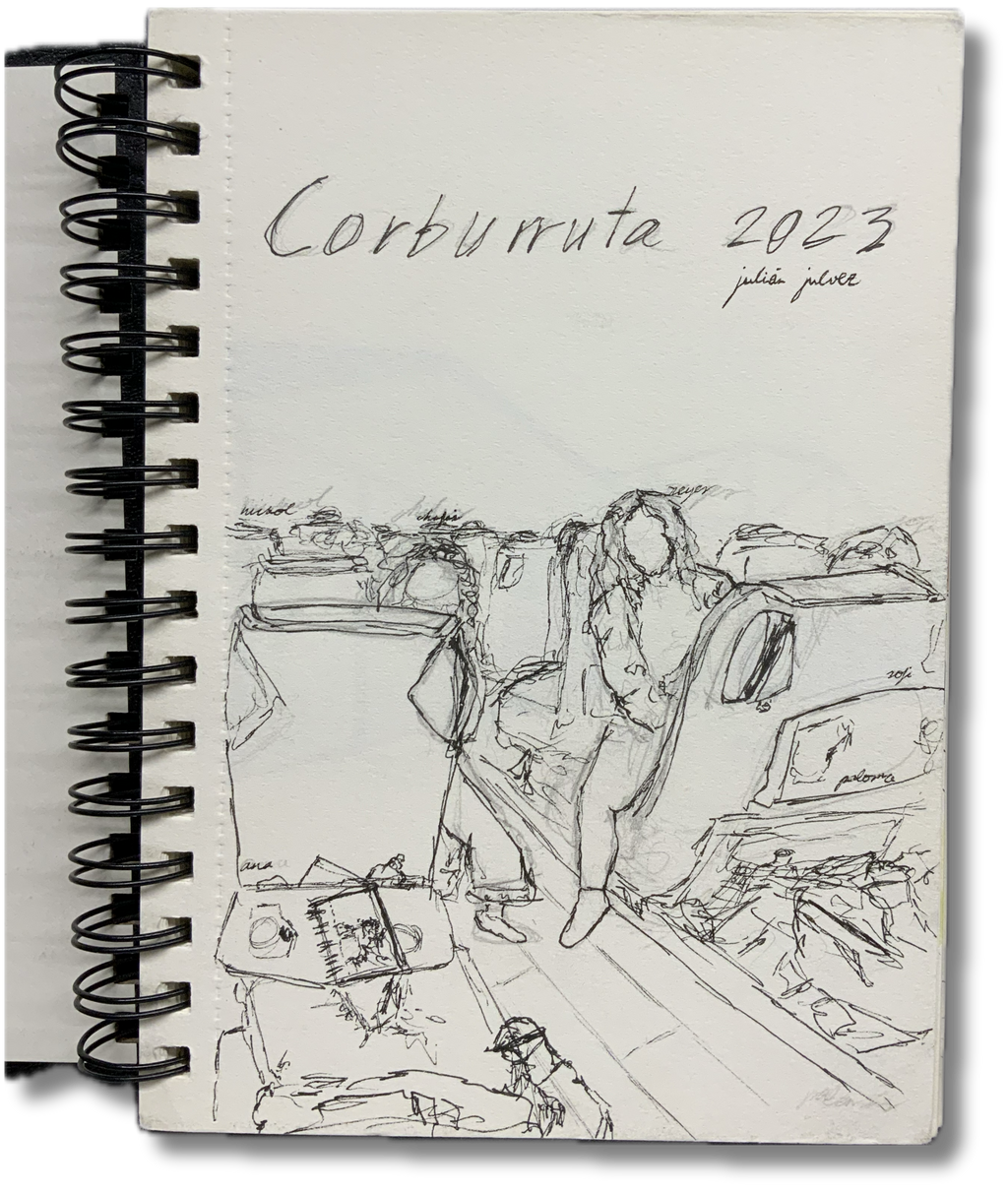
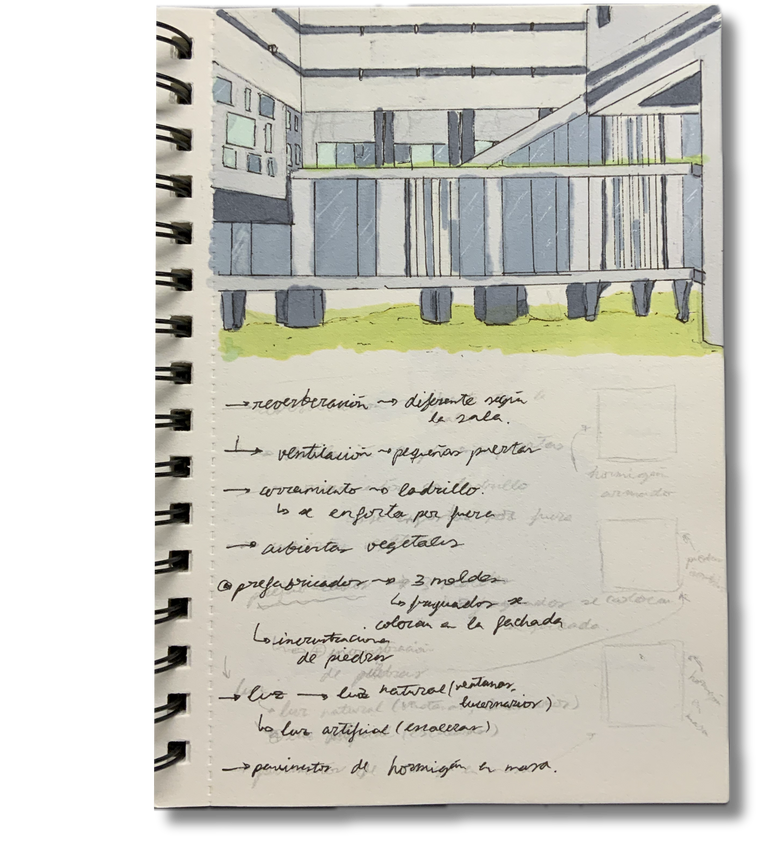
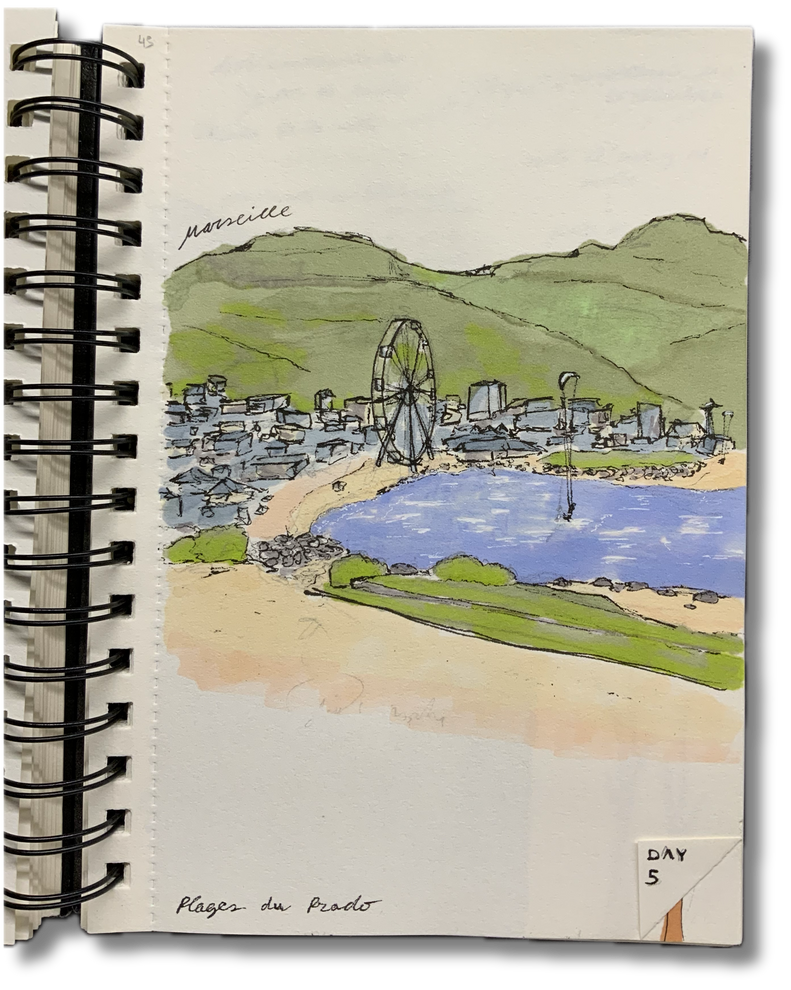
We have had the opportunity to experience firsthand the main works of the Swiss architect, in addition to visiting other important facilities and buildings. This trip marks the end of the school year in which we have been studying Le Corbusier among other masters.
LA TOURETTE SKYLIGHTS
LA TOURETTE
Le modulor
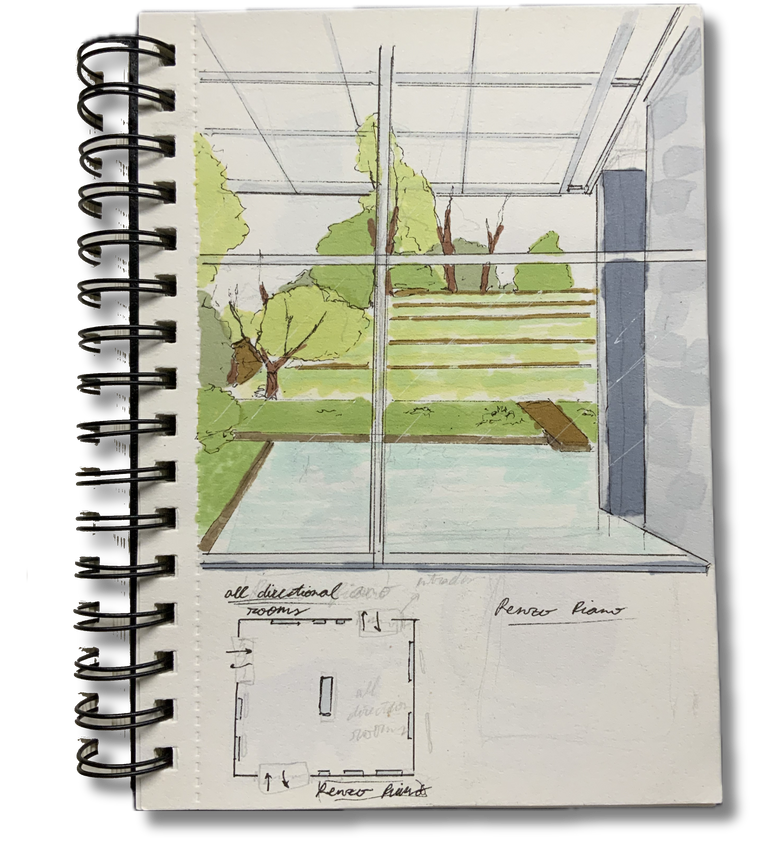
renzo piano Fundation beyeler
Le modulor
LA TOURETTE
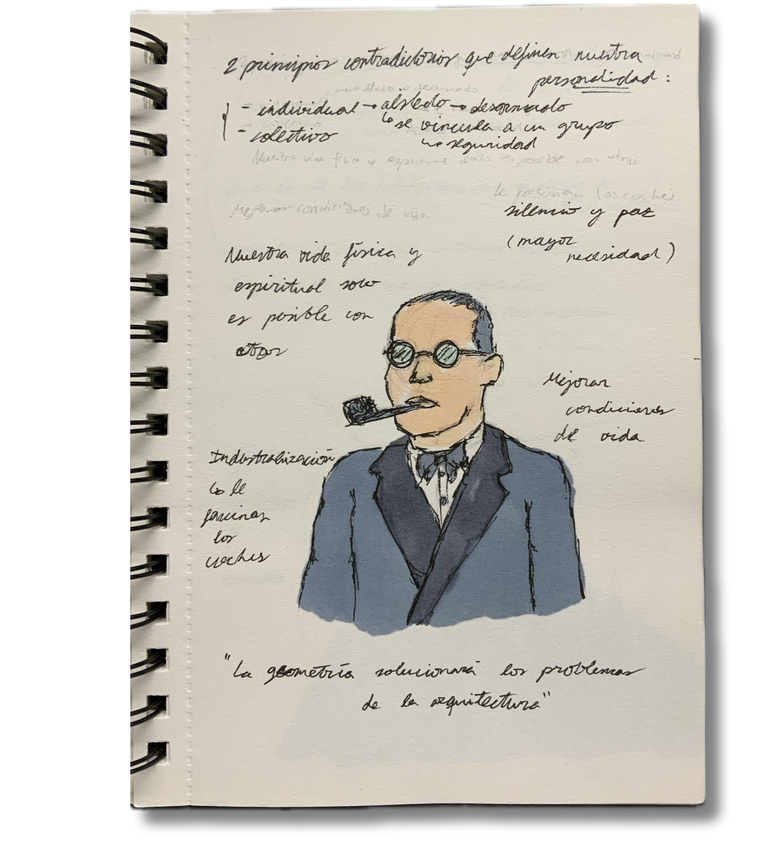
Le corbusier
Windows
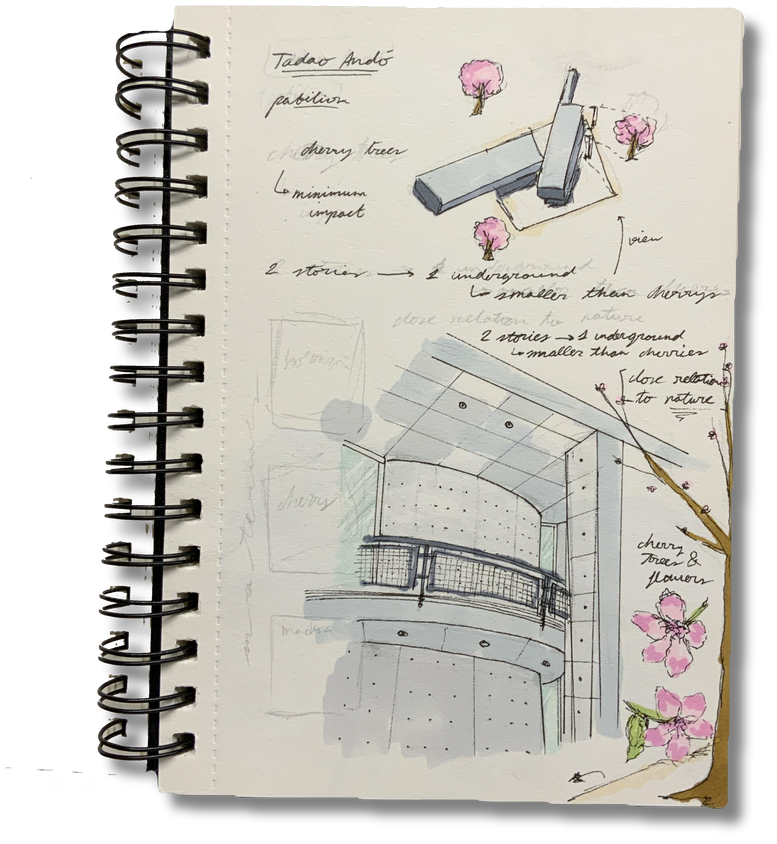
Tadao ando pabillion
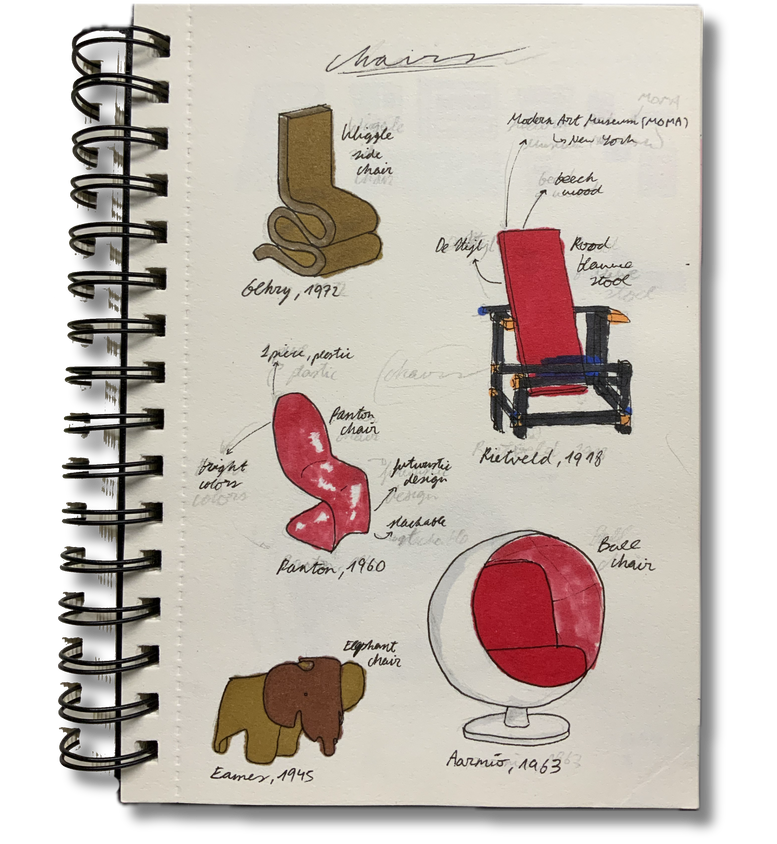
Some chairs
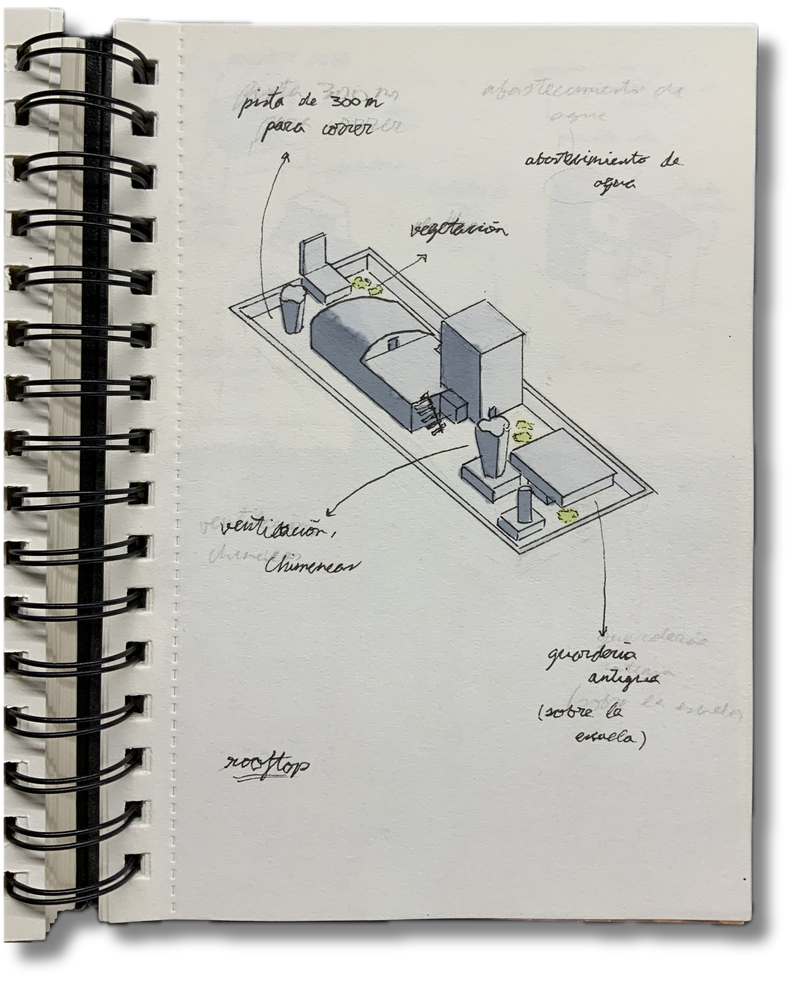
Unité d’habitation rooftop
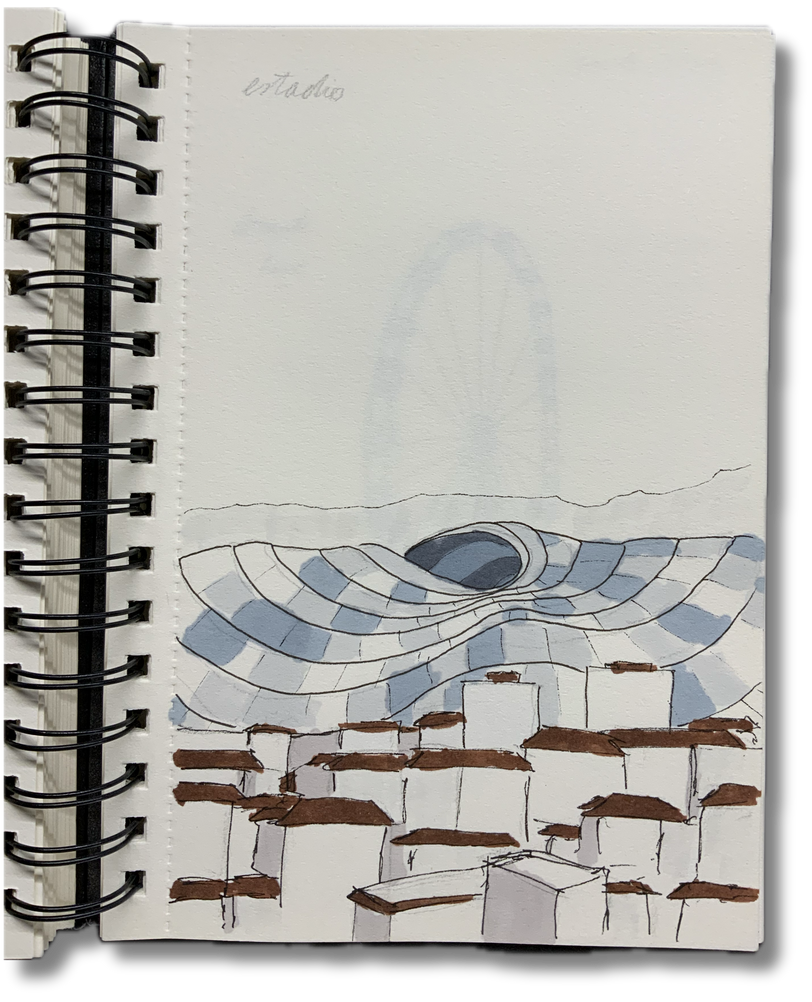
Marseilles stadium
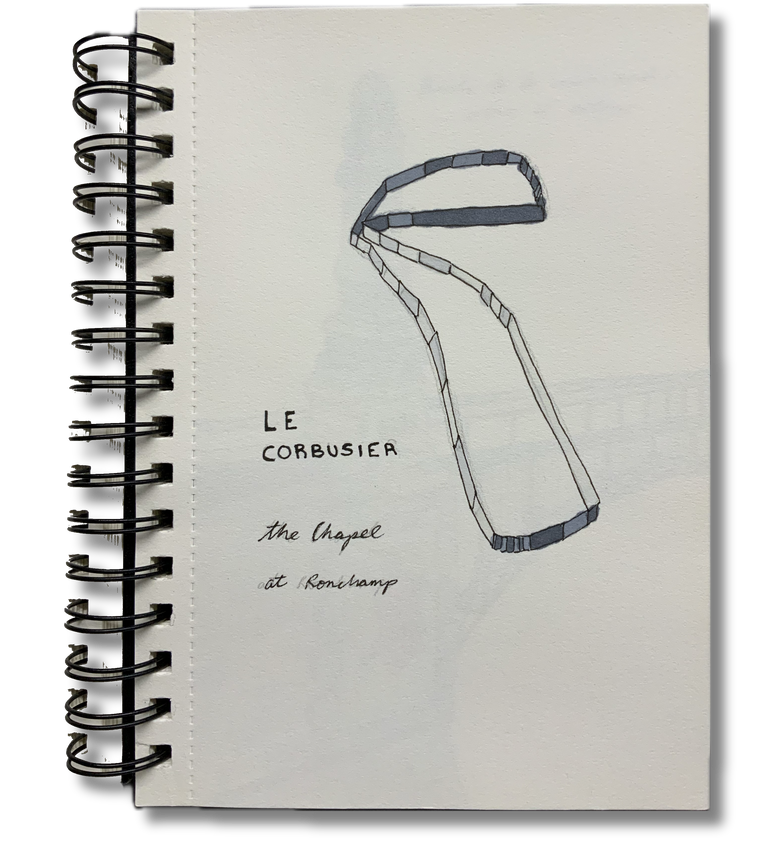
Ronchamp
Plage du prado
SECOND YEAR
MACCO - MCM+A ARCHITECTS
Latin American Architecture Biennale
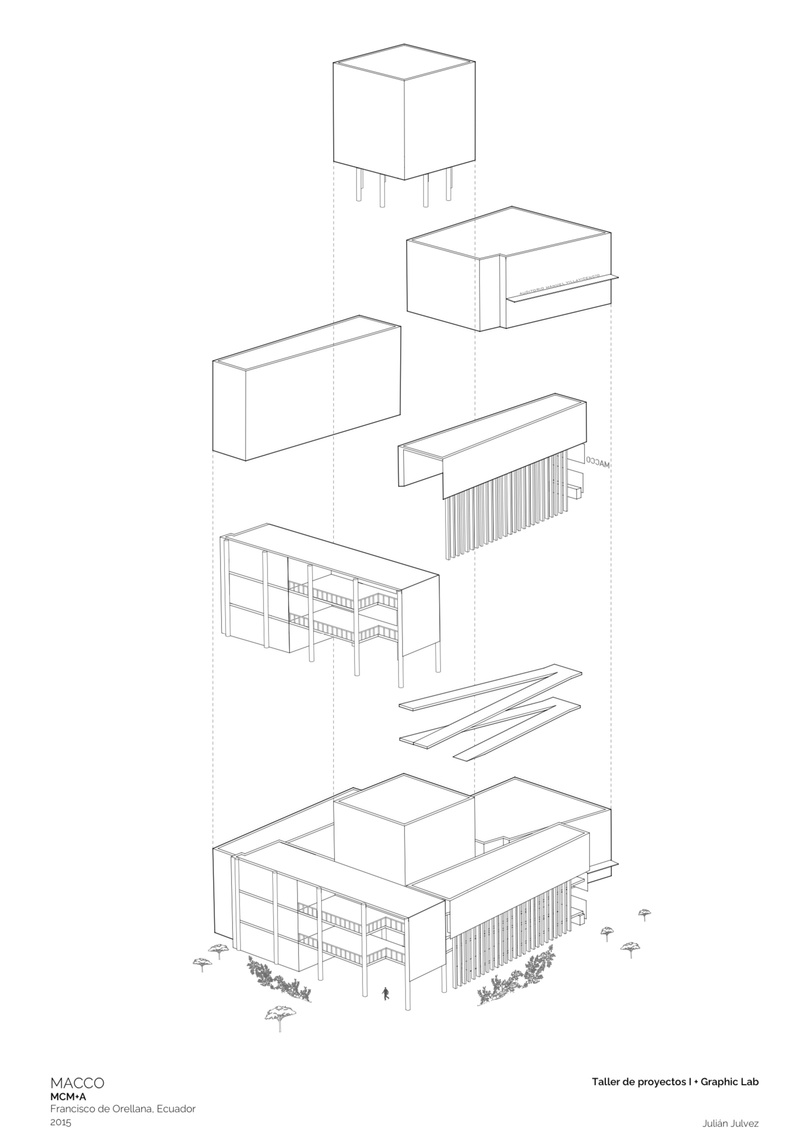
At the same time as the 8th Latin American Architecture Biennale (BAL) 2023, the aim of this project is to showcase the work of some prestigious architects in Spain, thereby aiding in their recognition.
I was given MACCO, by MCM+A Architects, a building located in Coca Boardwalk, Puerto Francisco de Orellana, Ecuador. It serves as a library, auditorium and museum.
The project creates a direct integration of the public with the building through a sequence of open, semi-open, and enclosed spaces. These spaces are connected by a clear circulation plan, realized through a free and transparent ground floor. It also maintains a visual relationship with the Napo River, a key natural feature of the city and its immediate surroundings, through a harmonious blend of water and vegetation that frames the central meeting point.
“CITIES AND THEIR THESIS”
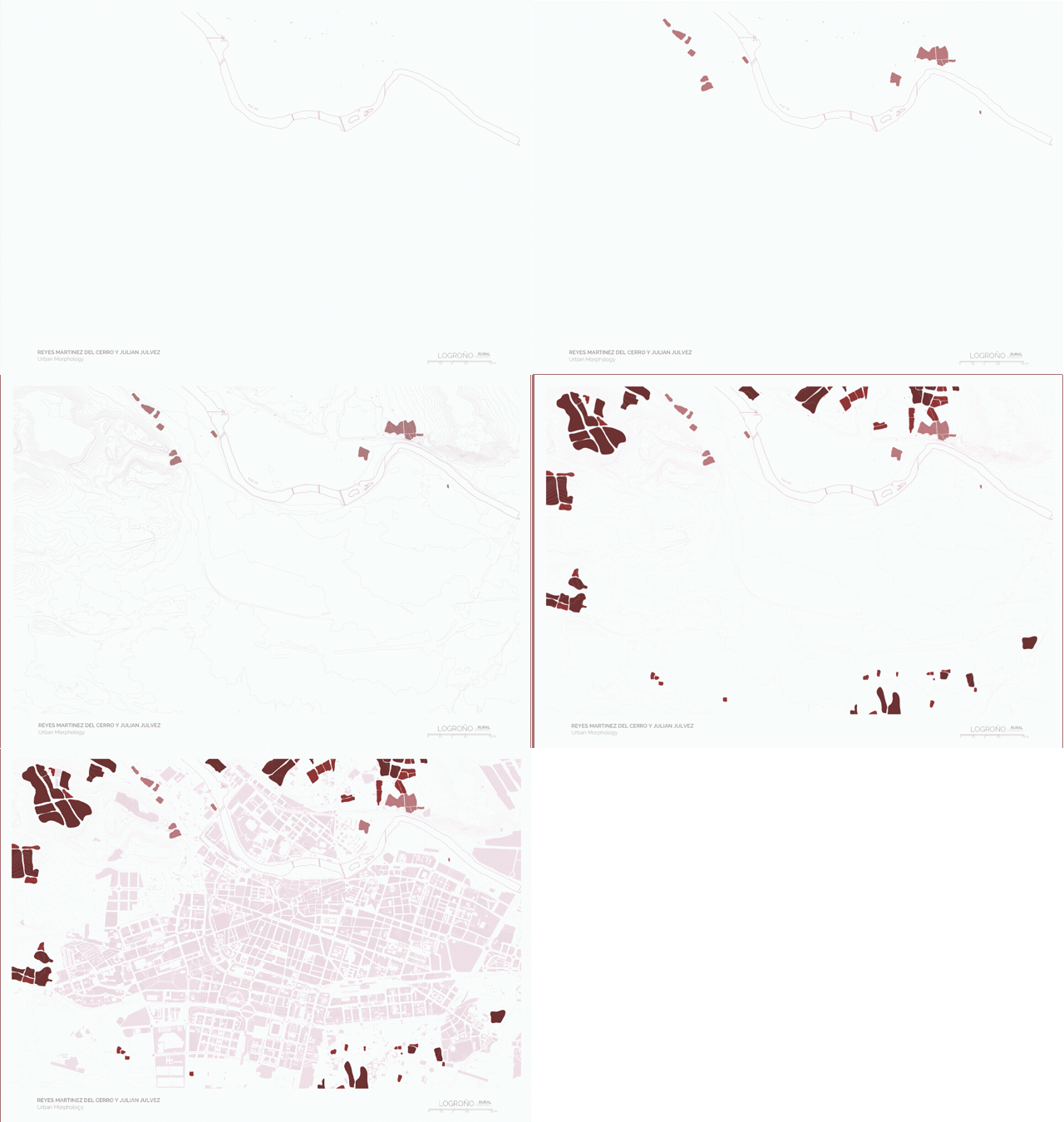
LOGROÑO
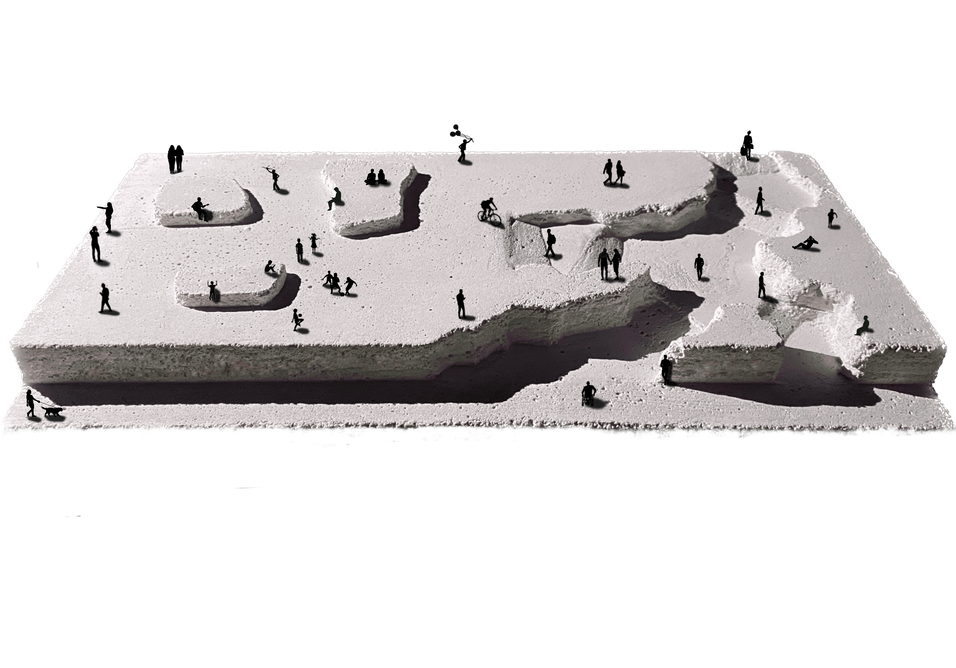
A stylized map of a city involves creating an image of that city where its essence is preserved and recognizable with the fewest possible elements.
Our idea to represent the city of Logroño, in La Rioja, Spain, consisted in depicting the city’s culinary culture. Therefore, we looked after each wine cellar and vineyard in the center and their emergence around the river, as well as the main streets for tapas and wine.
For the graphic and aesthetic section, we used burgundy and pink colors, as well as textures that resembled wine for the model. This was exhibited at the annual Cities and Their Thesis exhibition, held months later in Pamplona.
OTEIZA MUSEUM
ARTISTS RESIDENCY IN ALZUZA
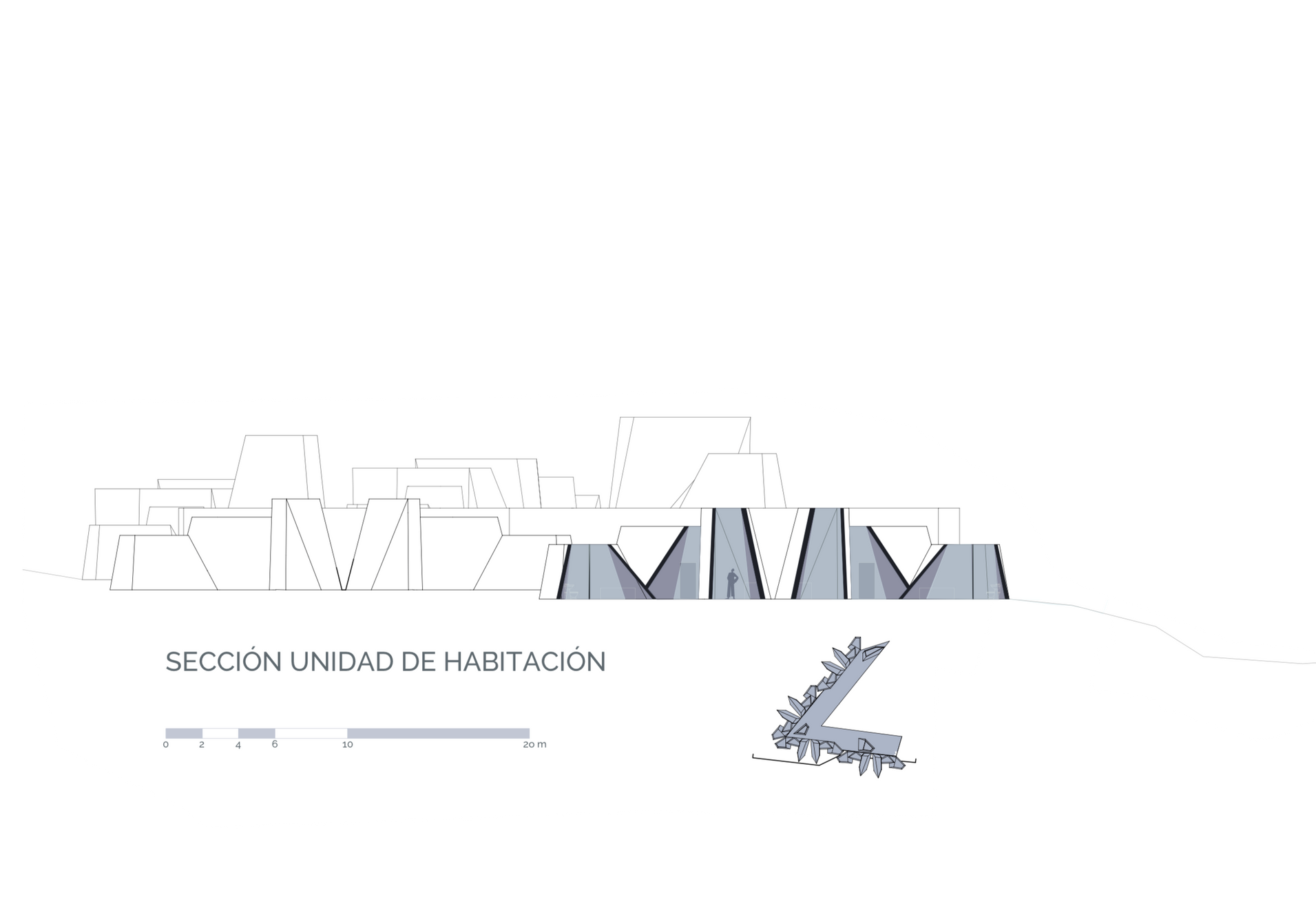
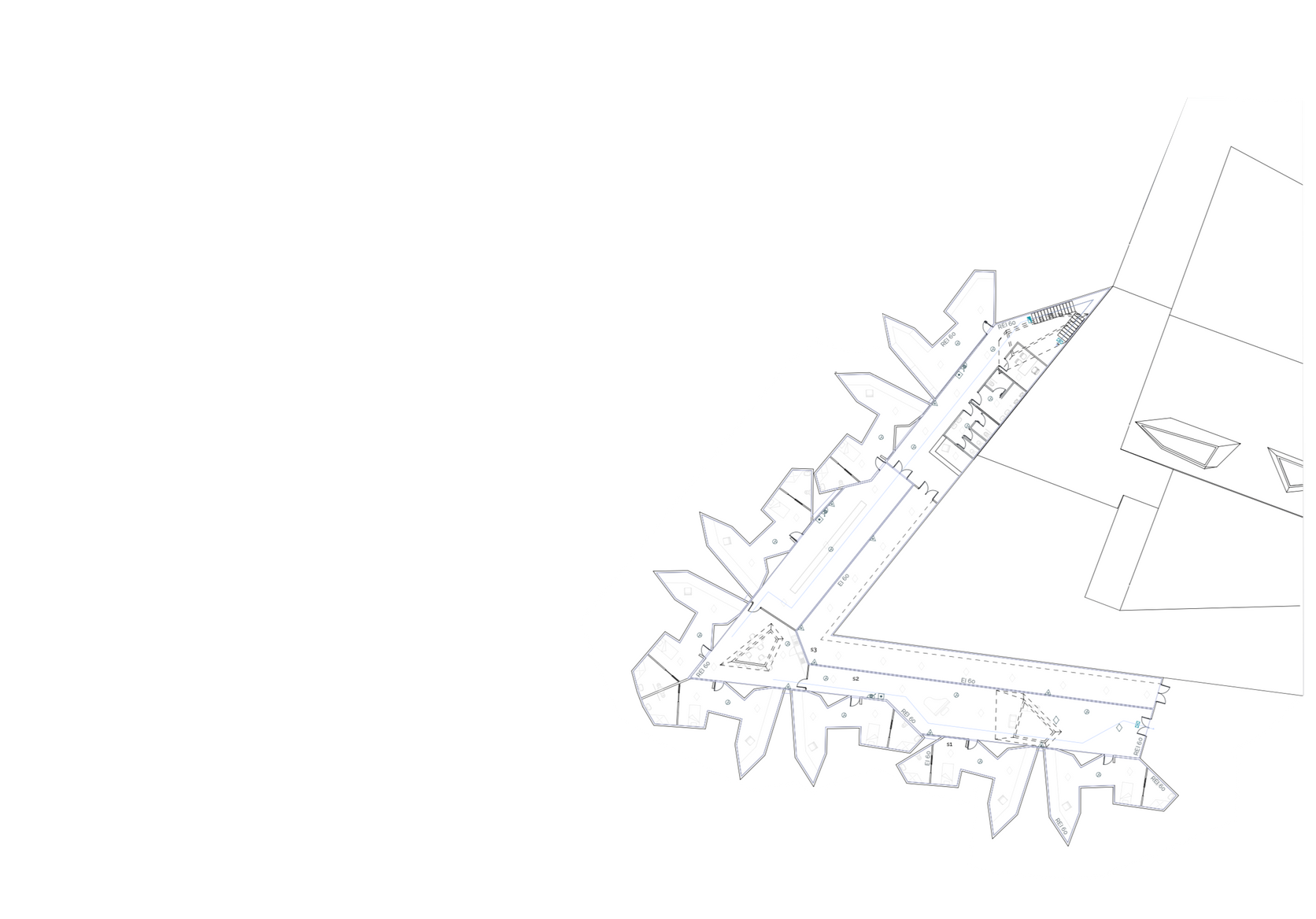
The Jorge Oteiza Museum Foundation plans to create an international artist residency near the museum. This new building will serve as an art and research hub, enhancing the museum's activity.
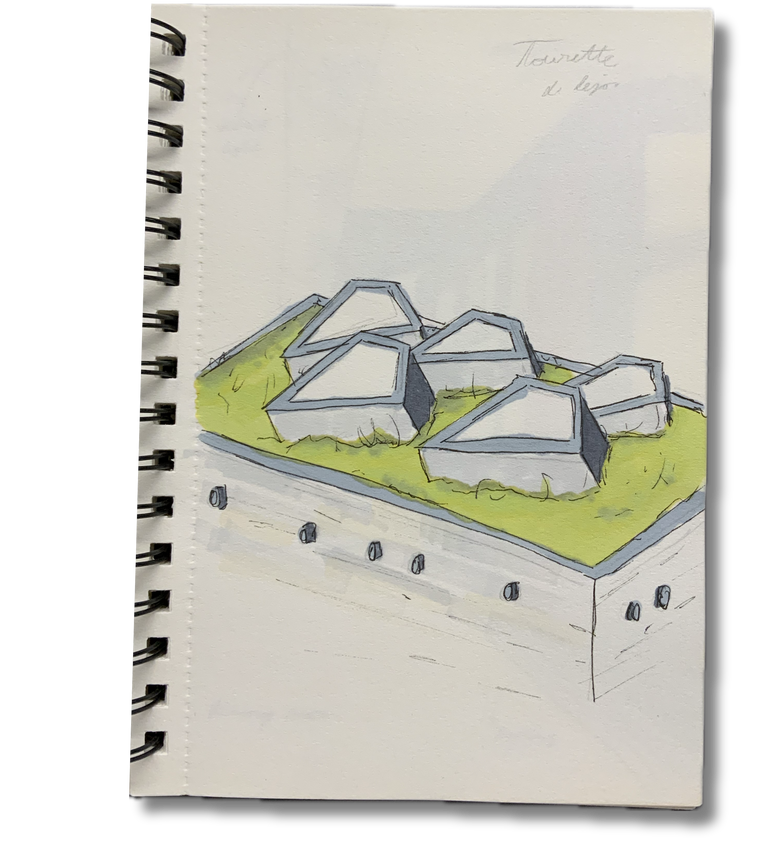
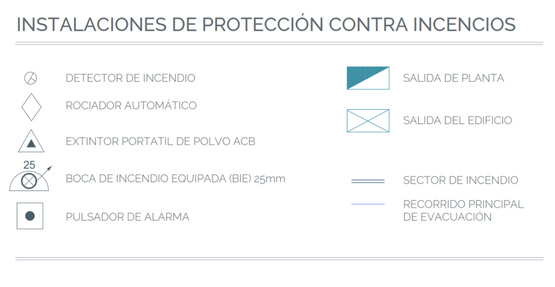
The project involves constructing an independent building with accessible spaces and fire-safe instalations, addressing both pedestrian and vehicular access, including large materials. The municipal architect emphasized that the building's design must harmonize with the mountain's topography, so I took inspiration from the big skylights of the museum..
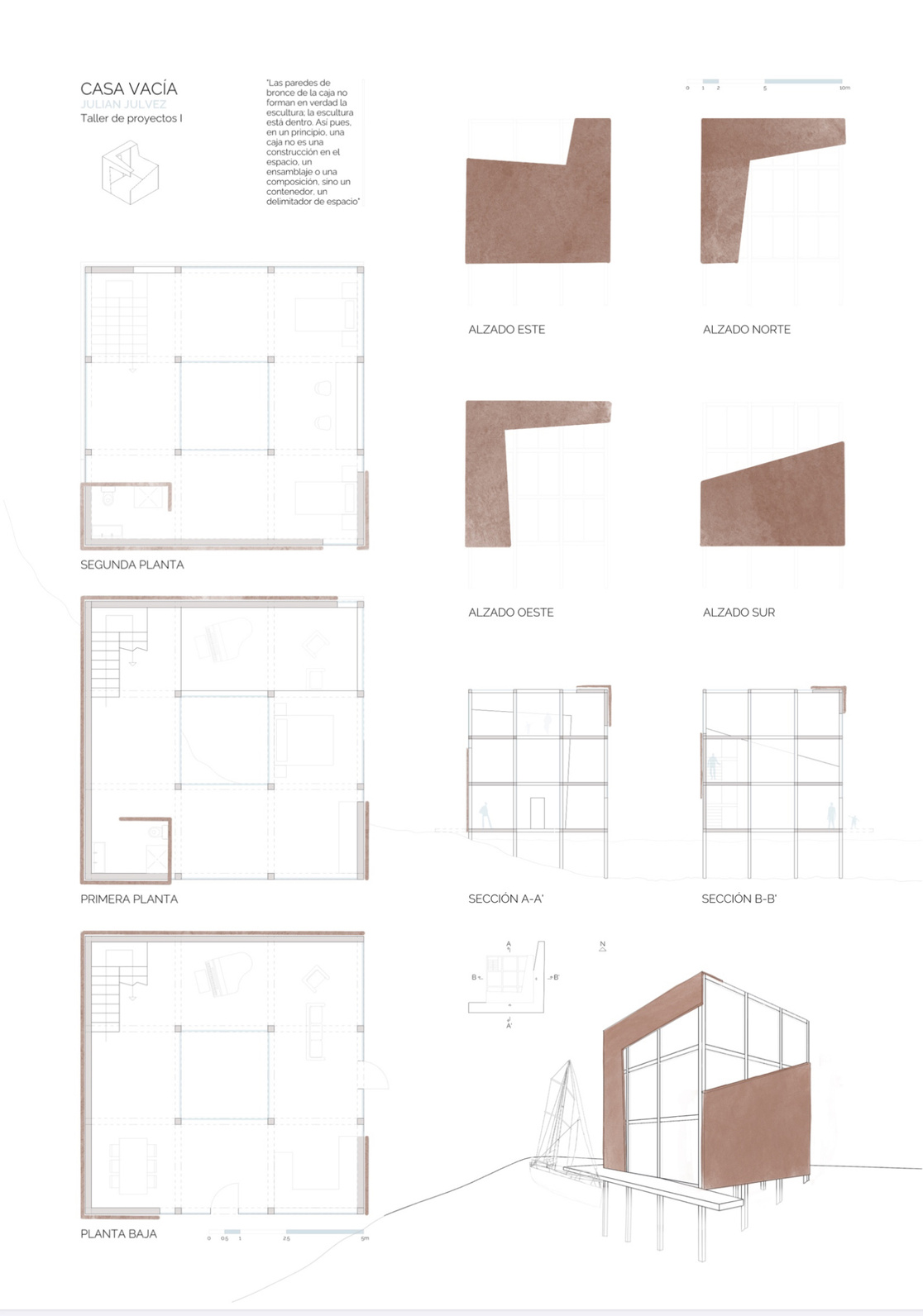
LIFE ON A GRID - SCULPTURE CAJA VACIA, OTEIZA
WHAT MAKES
A BUILDING LIVEABLE?
The municipality of Castro, Chile, as part of its policy to rehabilitate stilt houses (palafitos) in the Chiloé Archipelago, and concerned about the increasing deterioration of the picturesque structures that line the western edge of the city along the sea, has launched a competition for ideas to develop single-family homes within these traditional structures, aiming to restore the area's charm. For this development, they have proposed, in abstract terms, a grid of 16 pillars spaced 3 meters apart—reflecting one of the most commonly used structural systems in the area—and have set a maximum height of 3 floors, each 3 meters tall.
I took inspiration from the famous sculptor Jorge Oteiza and his work titled “Caja Vacía”, transforming a sculpture into a liveable building.
I wanted to explore uncommon materials, as well as incorporate a structure and staircase contemplating the CTE that could also sustain my design, while being light enough to stay on the water
ETHICS II - SOLVING AN ETHIC PROBLEM IN PAMPLONA
MAGNA CUM LAUDE
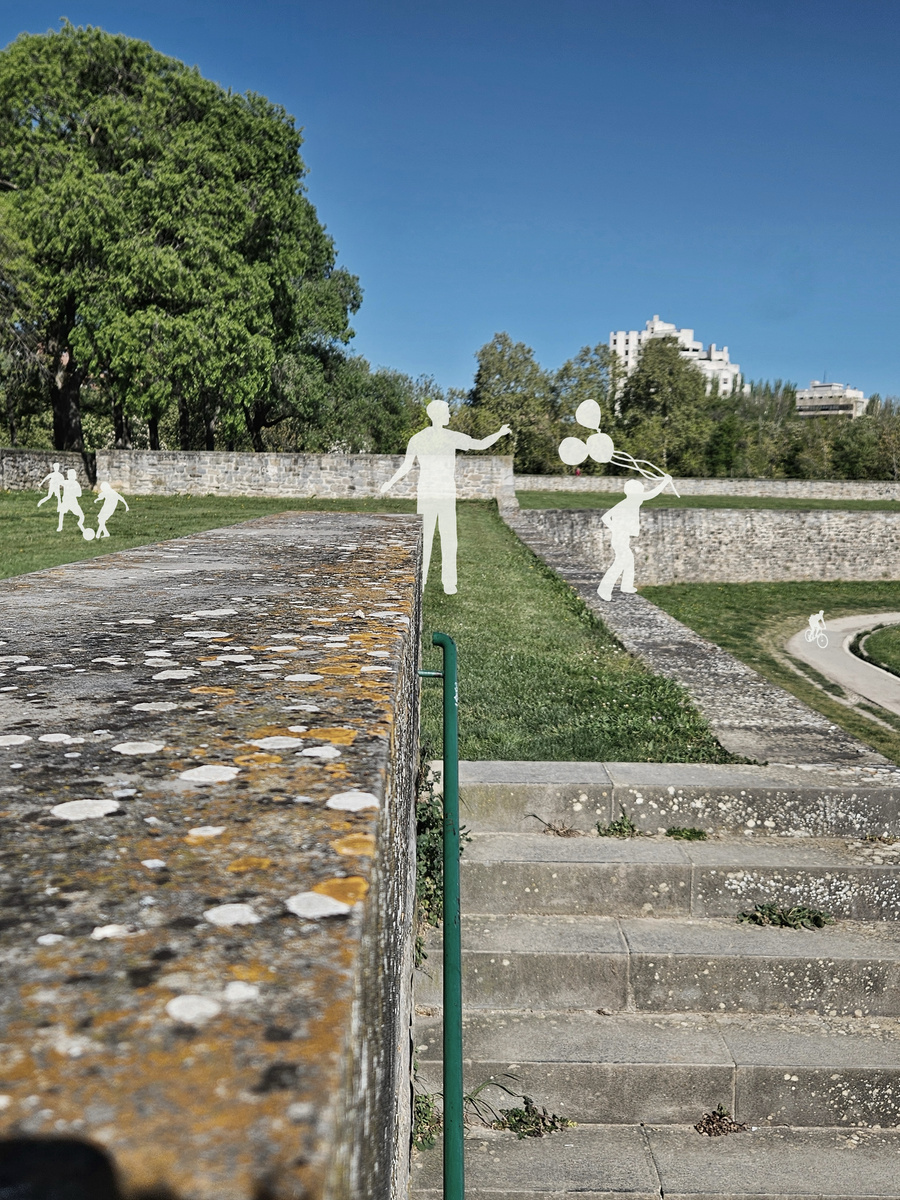
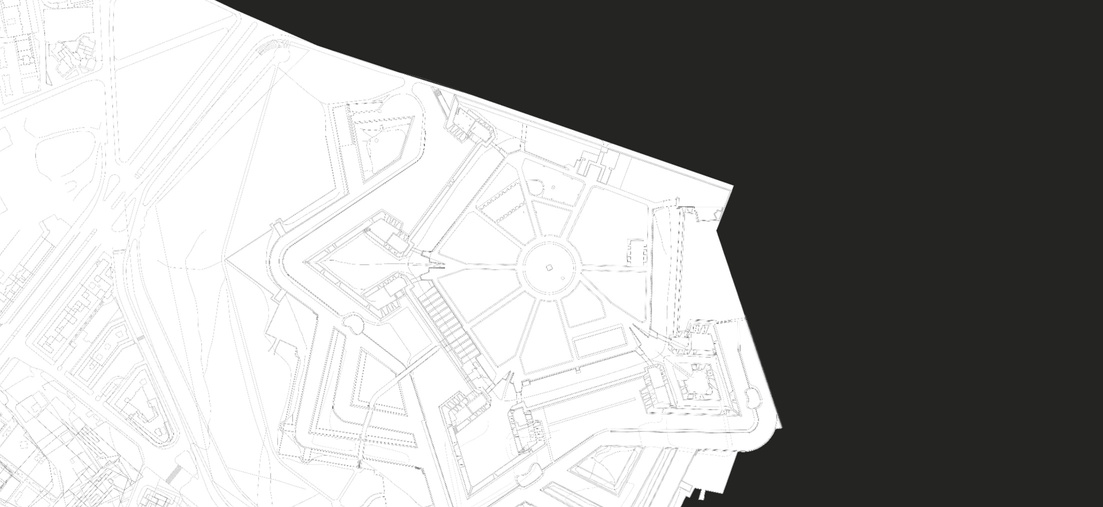
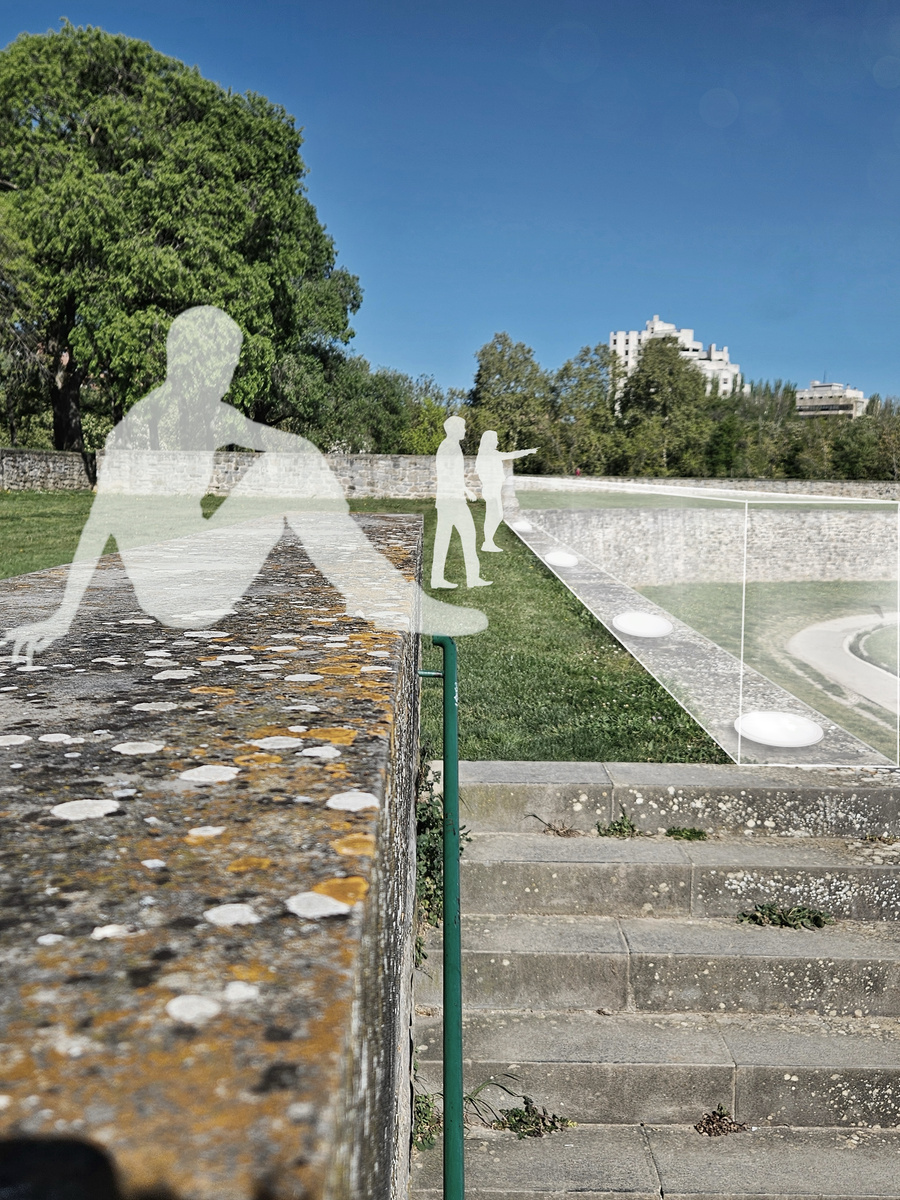
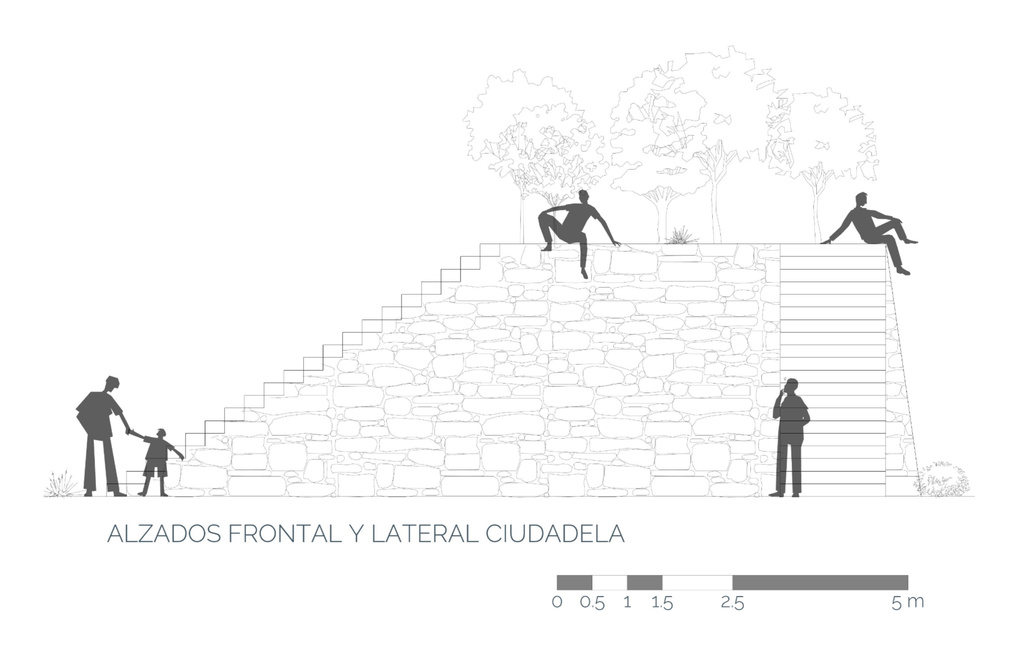
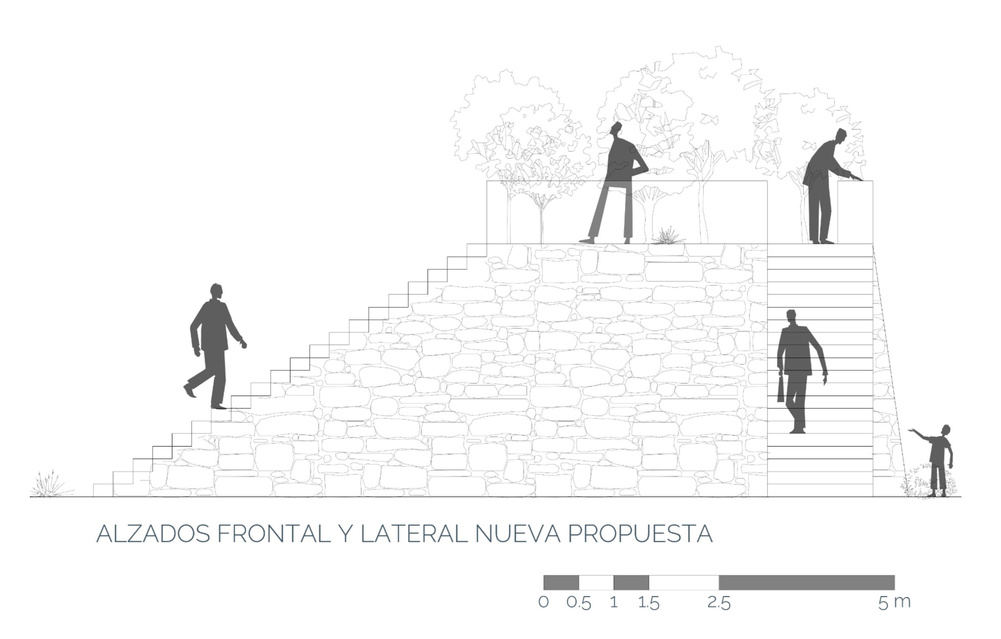
This project involves identifying an ethical issue related to the city's architecture and its resolution. It is part of the Ethics II course, for which I received an honorary distinction.
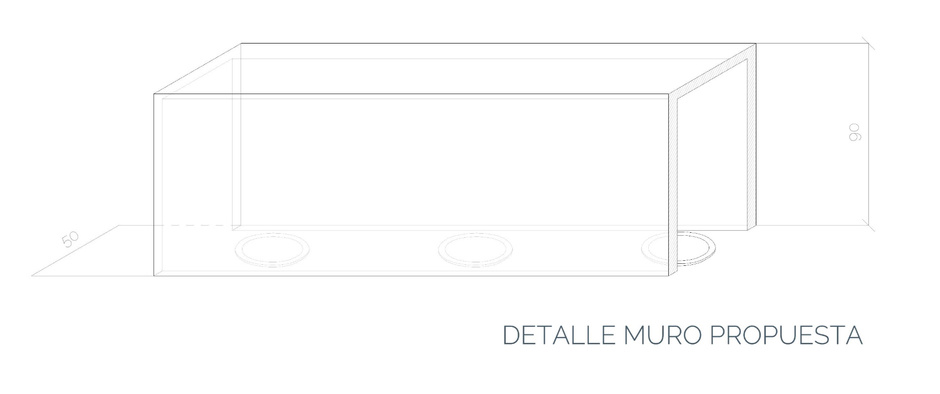
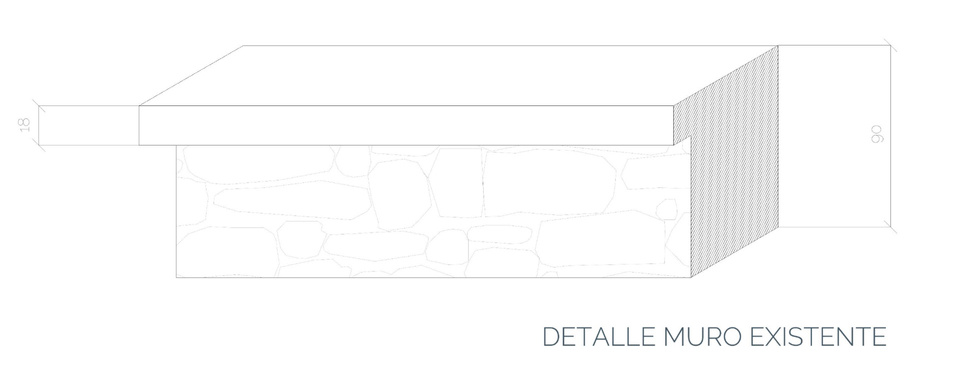
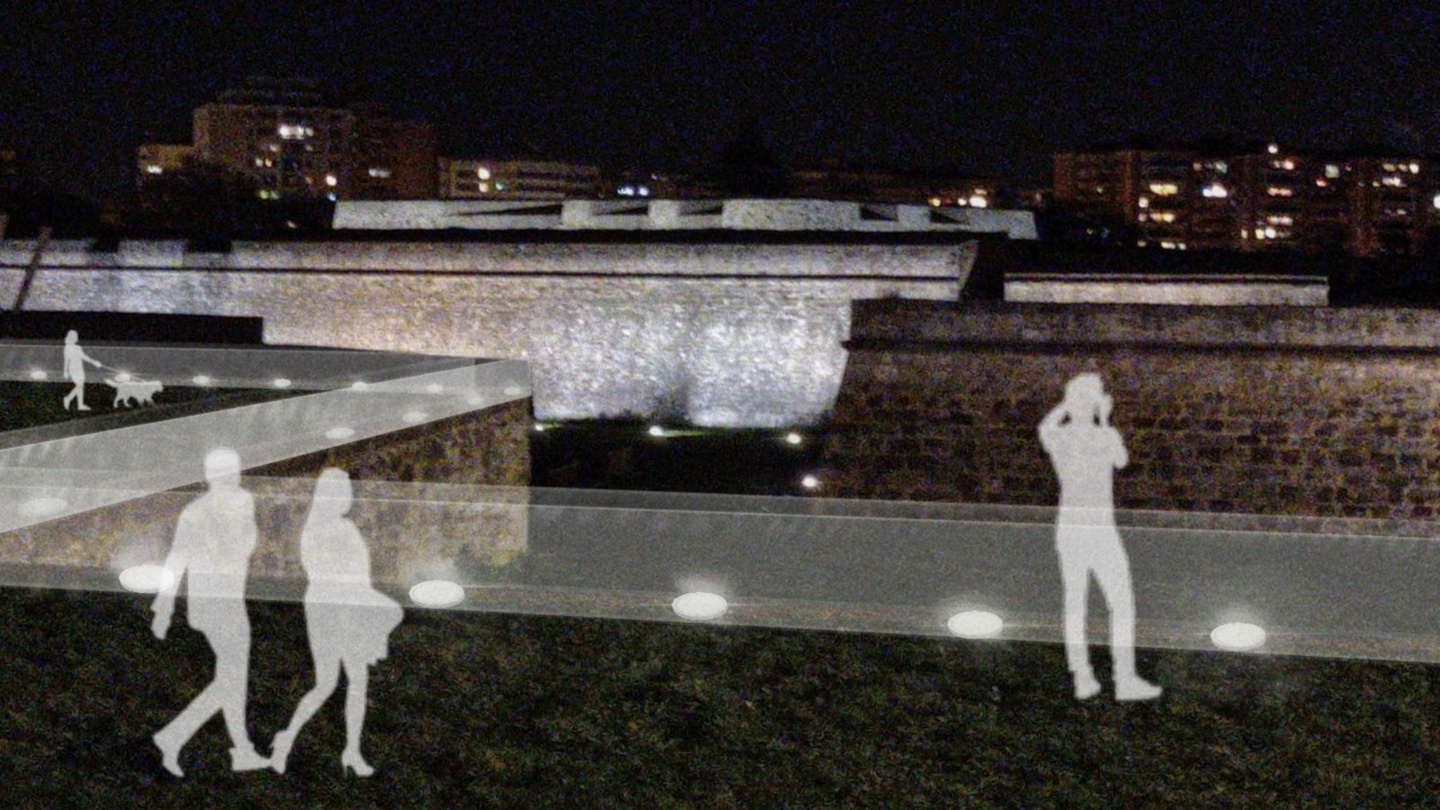
The idea is to ensure safety in the citadel of Pamplona by installing a series of walls to protect against falls. It is important to consider and respect the cultural and historical heritage of the structure.
Since incorporating walls made from materials similar to the originals is not feasible, I chose tempered glass panels, which create transparent barriers to preserve the views and provide illumination at night.
FINAL PROJECT
BUILDING AND stadium
OSASUNA
TRAINING FIELDS
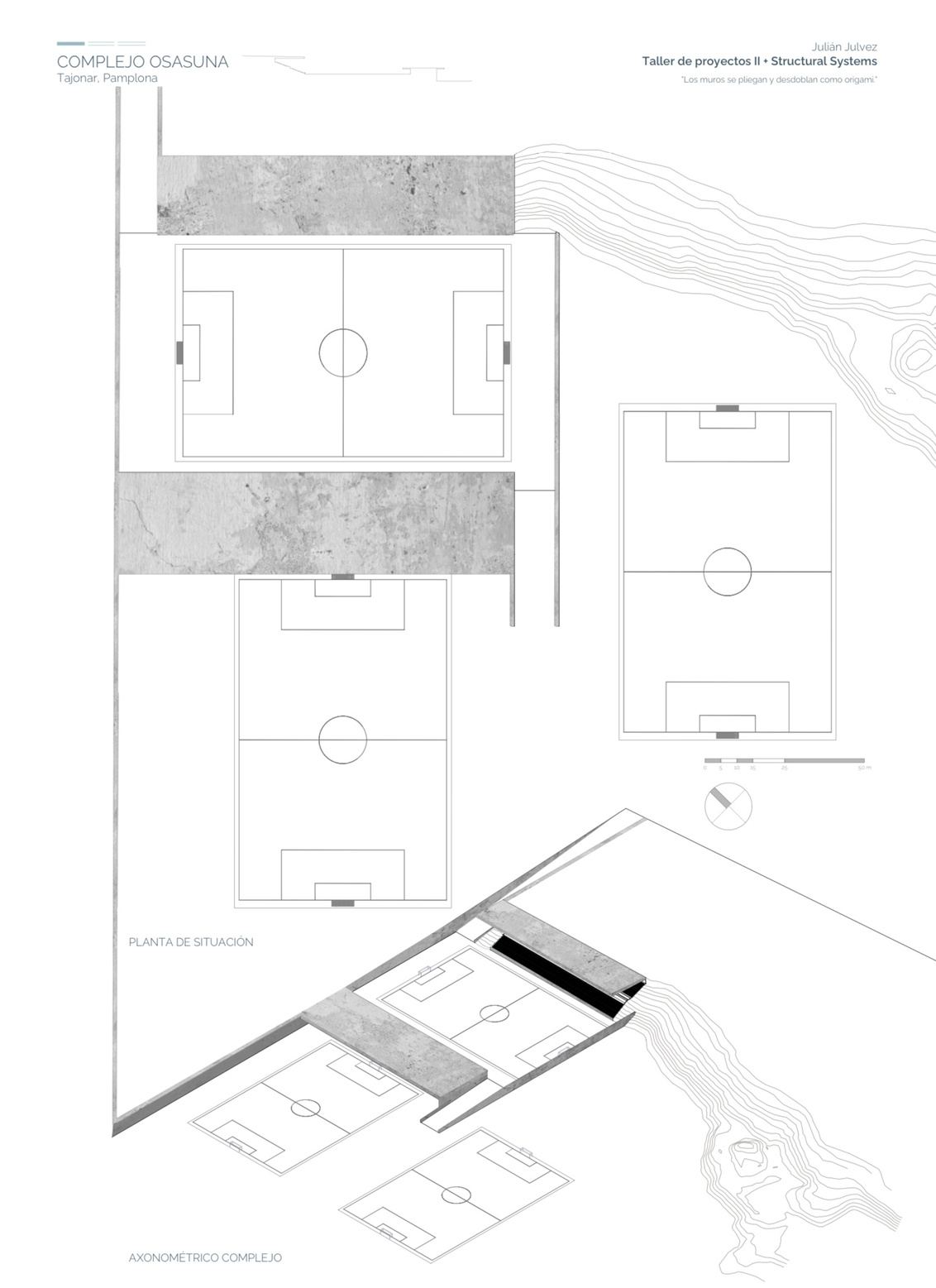
Atlético Osasuna Football Club has its training grounds in the village of Tajonar, relatively close to the El Sadar Stadium where the club's first team competes. The club's growth, with its presence across various categories, has been further enhanced in recent years by the emergence of the women's team.
To accommodate this scenario, a significant expansion of the existing sports facilities is planned, including the addition of two new training fields and another with seating for about three thousand spectators, where the women's team and possibly Osasuna Promesas would play. This seating area must include basic amenities such as restrooms and a bar-cafeteria for the attending public.
Additionally, a new building is planned to include a gym, a physiotherapy room, a medical office, meeting rooms, office space, and a small residence for athletes. A parking area with around five hundred spaces will accommodate spectators, and additional parking areas will be needed for staff and athletes.
The exercise is based on the integration of subjects as a learning approach to design; therefore, it offers the opportunity to consider different aspects when developing a proposal, with the brief designed through the combination of elements covered in various courses.
In this exercise, the courses collaborating with Project Workshop II are City and Landscape, Installations I, Structural Systems, and Construction II.
The proposed project focuses on rethinking the current training facilities of Osasuna Football Club, taking the opportunity to introduce new spaces and functions and expand its scope.
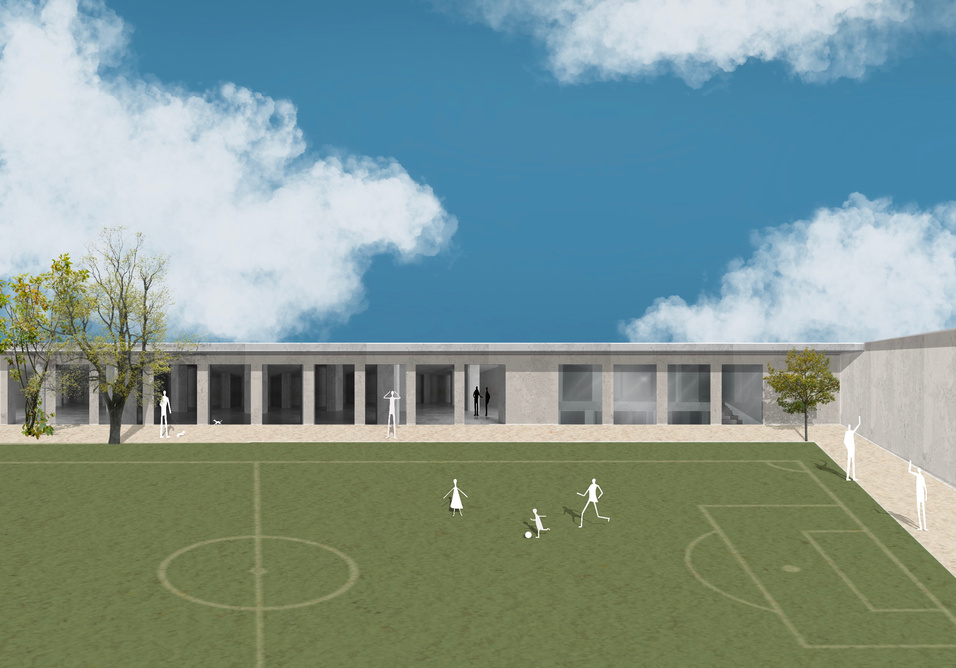
The exercise aims to foster a collective reflection on the various aspects that form the foundation of the course, from the conception of architecture as a transformation and modification of a place to the dialogue with the place itself, including the arrangement of a program and the formal response necessary to define the character of the proposal.
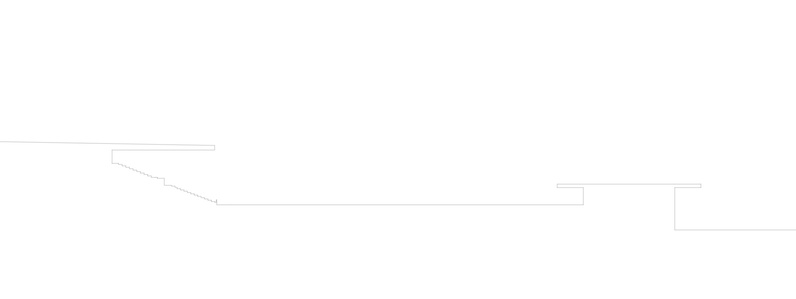
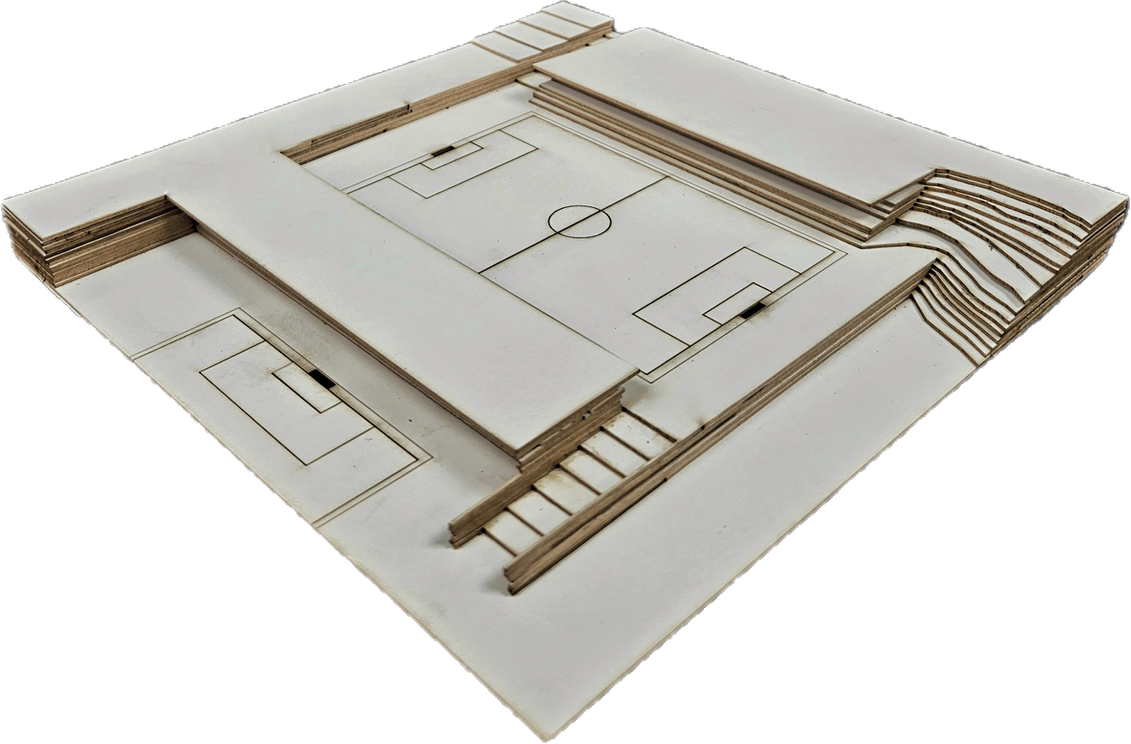
MY IDEA consists of concrete walls and decks that fold and unfold like origami. The building consists of a series of holes and windows that create terraces and closed rooms. On the other hand, the stadium stands right in front of the residency with a similar appearance.
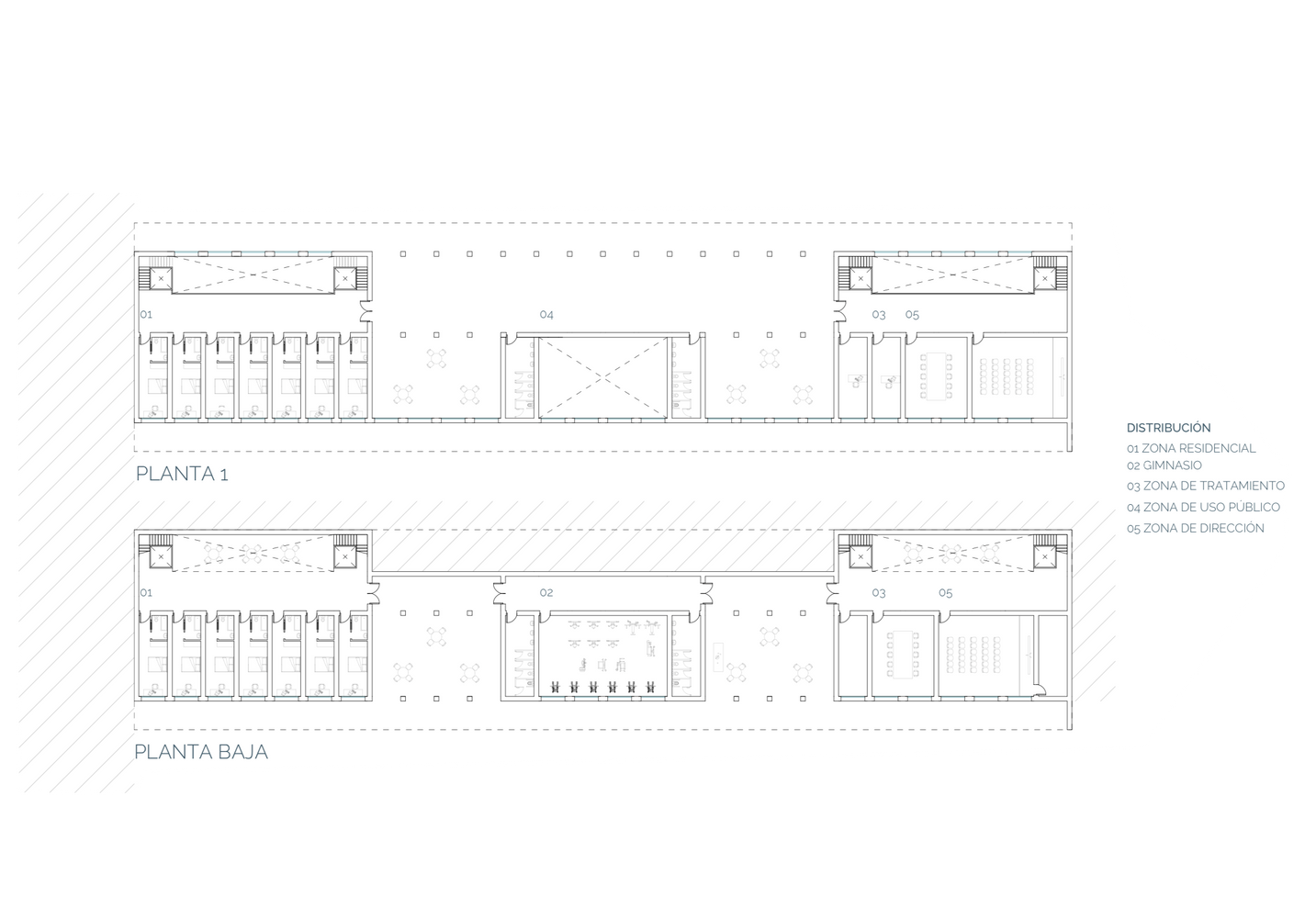
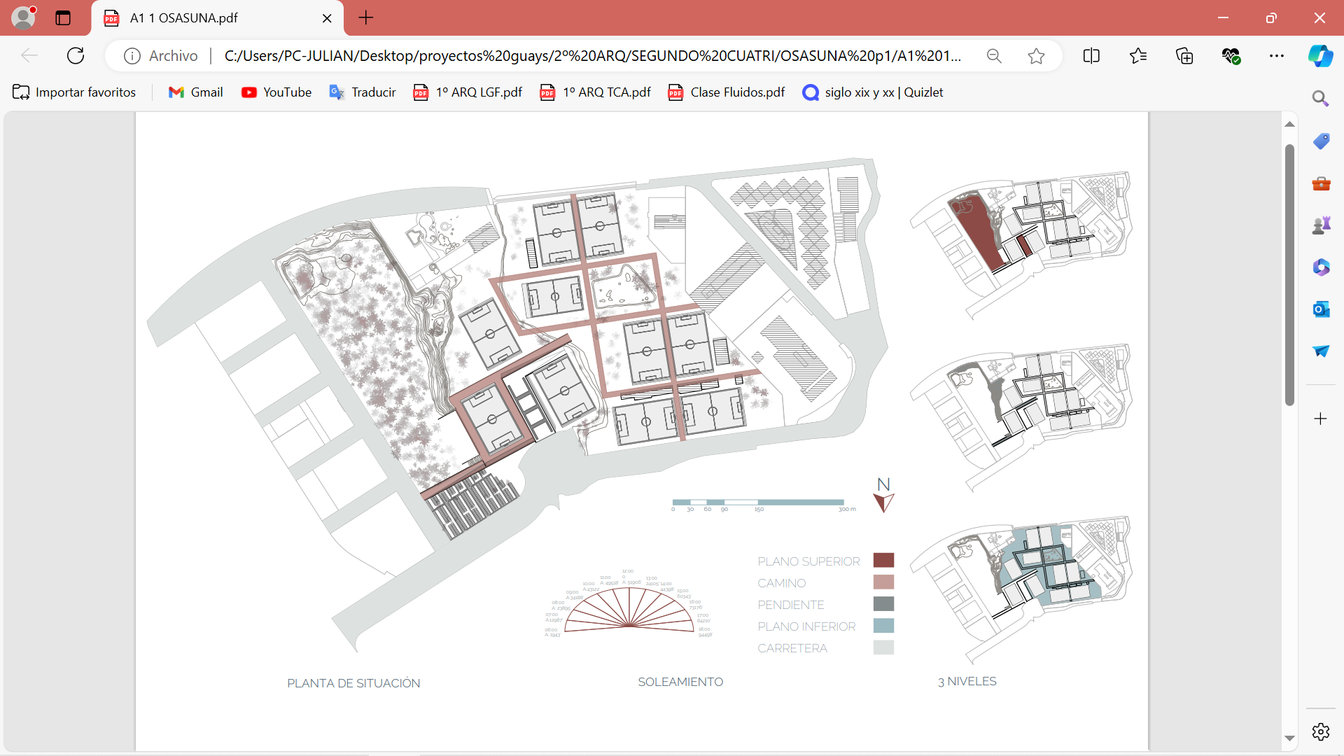
Regarding the topic of water supply and drainage installations, understanding the landscape, materials, and climate will be essential when making appropriate decisions about the intervention related to water storage, supply, and collection. This applies to the design of the installations themselves as well as the construction materials and the vegetative treatment of the areas.
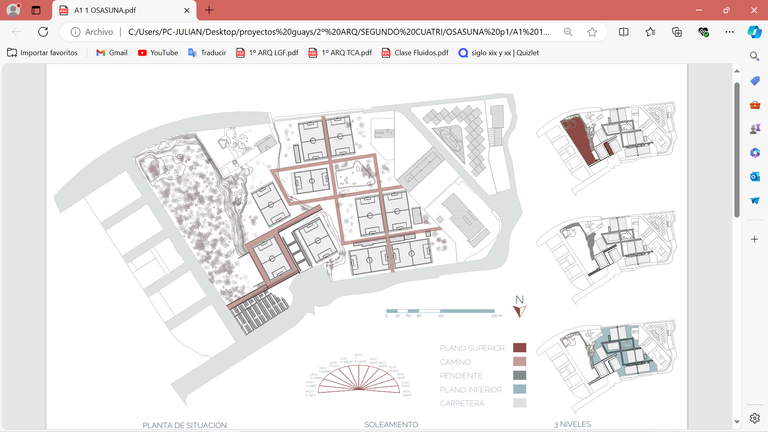
As for urban planning, my project tries to make an impact on a big scale, while keeping the green in the original enviroment, so the view isn’t distorded for the public.
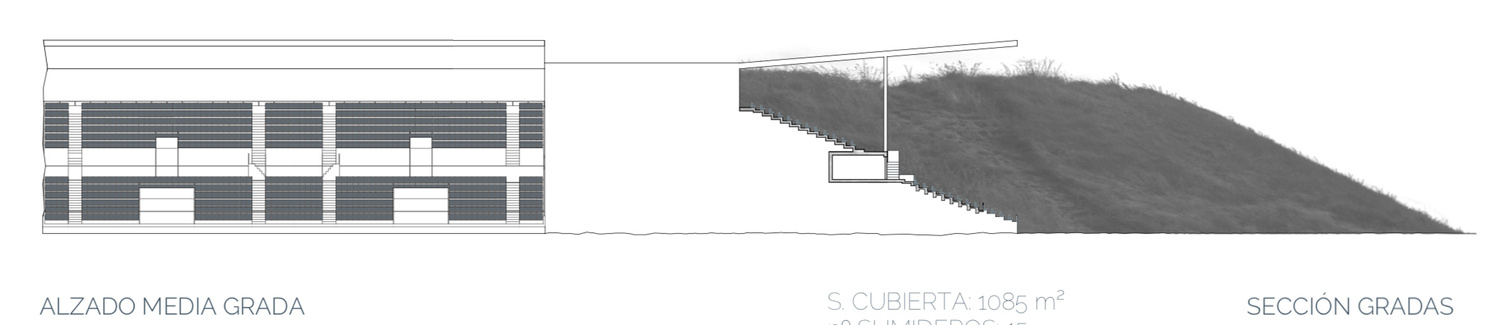
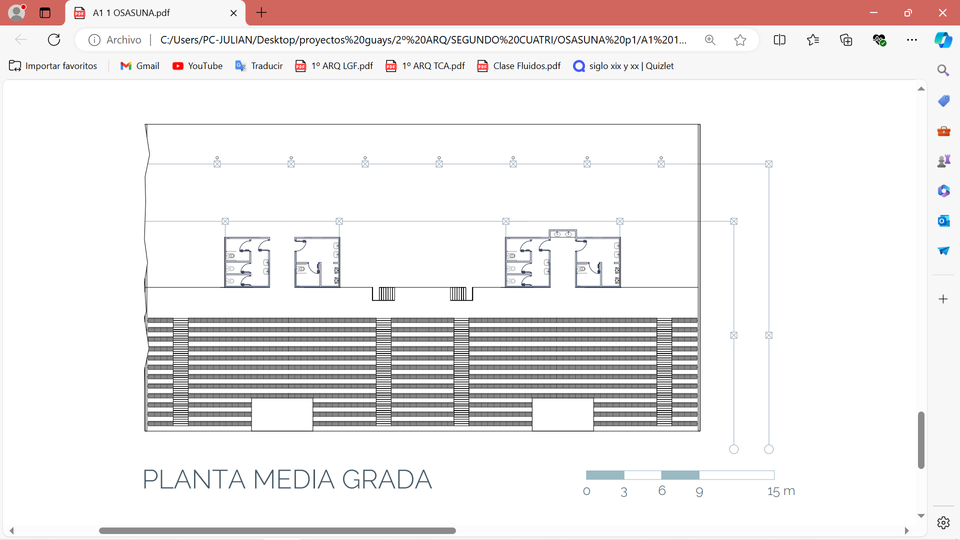
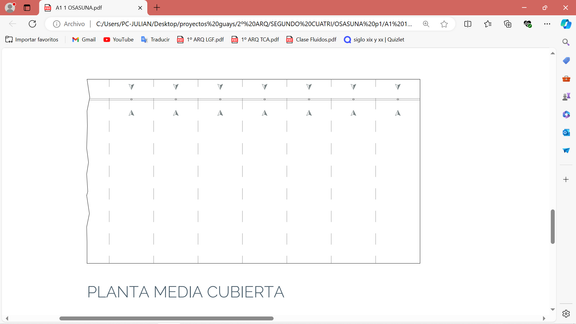
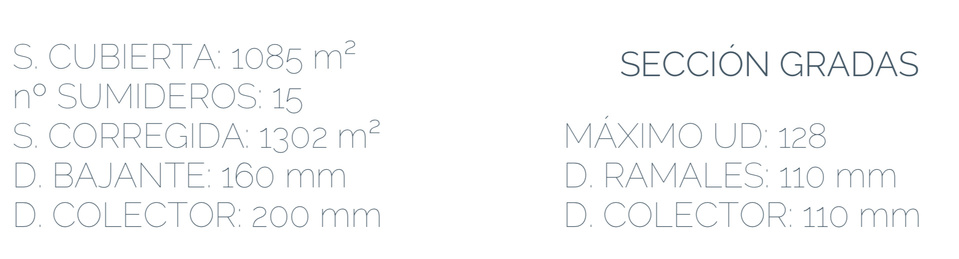
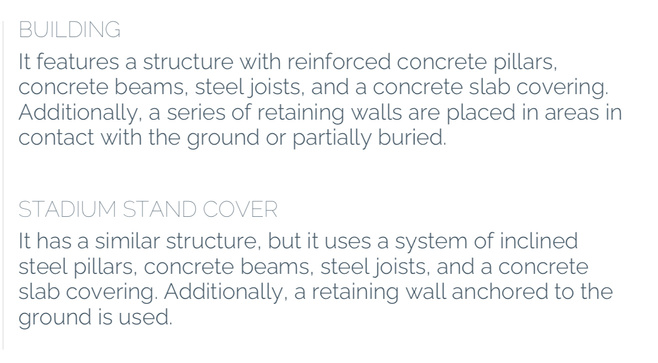

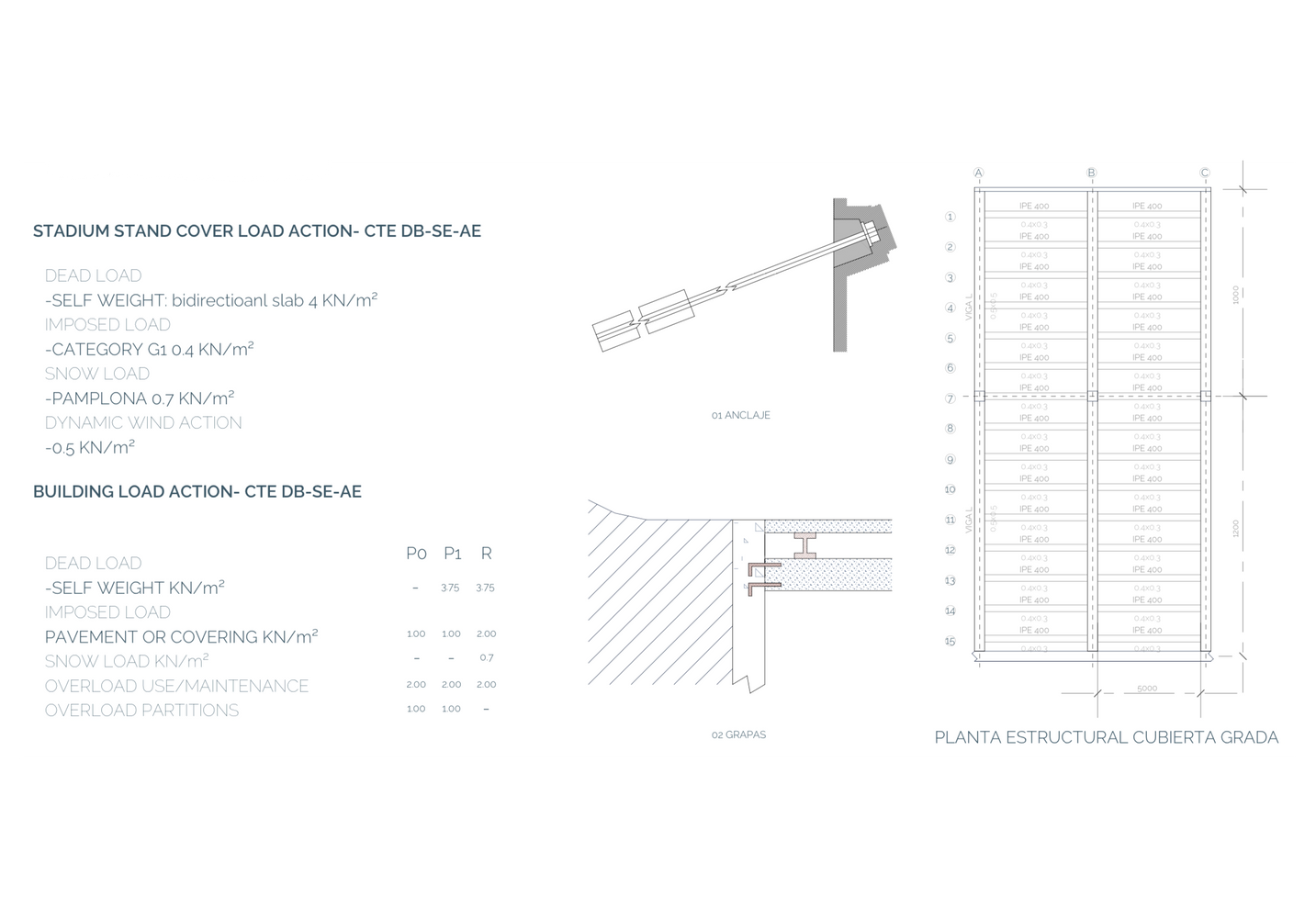
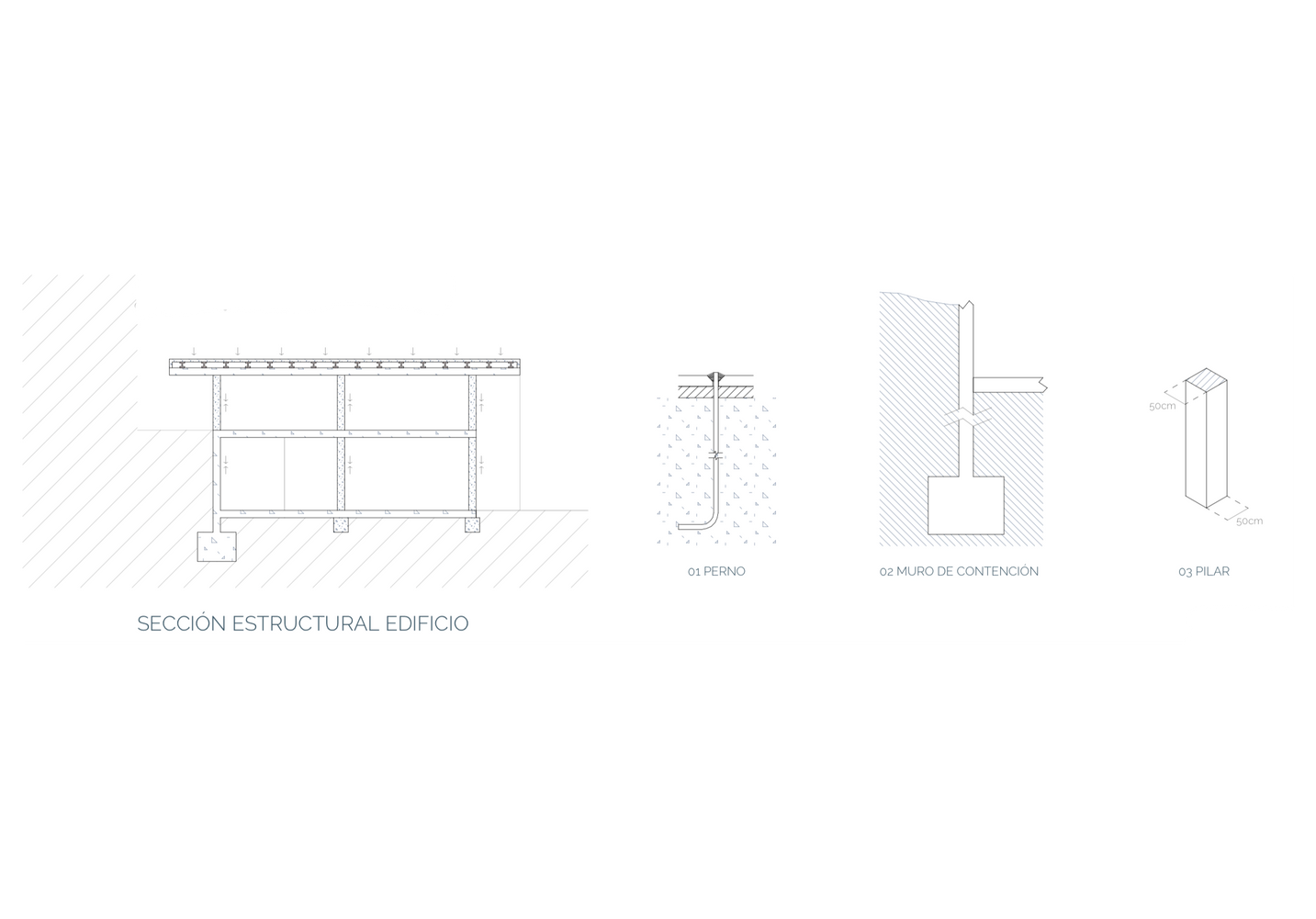
Additionally, a structure of steel beams and concrete pillars, covered with a thin concrete slab, was chosen for both the building and the horizontal roof of the stadium stands.
Nevertheless, great importance is placed on the construction aspect, from the chosen materials to the construction details. Load-bearing walls are used to support the terrain, while the rest of the structure is supported by pillars.
My project was selected amongs a few and exposed in the official stadium of the team available to visit. Although the renovation of the fields was already designed, these projects provided a different perspective.
CLASSIC ARCHITECTURE
VISIT TO ROME - VILLA ADRIANO
During the second year, we took a cultural trip to Rome, where we learned about classical art and monumental architecture of the time. We also attended a theoretical lecture at the city's School of Architecture.
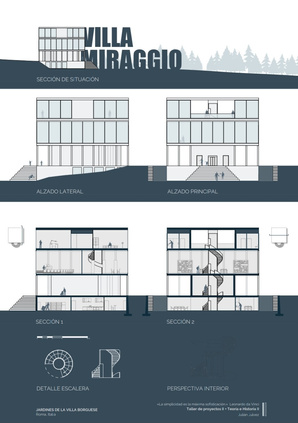
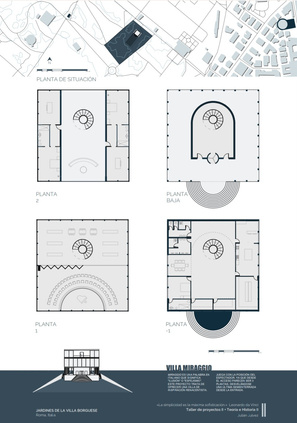
Among other works, we studied Hadrian's Villa, specifically a plot where we developed a project idea for a Renaissance-inspired villa.
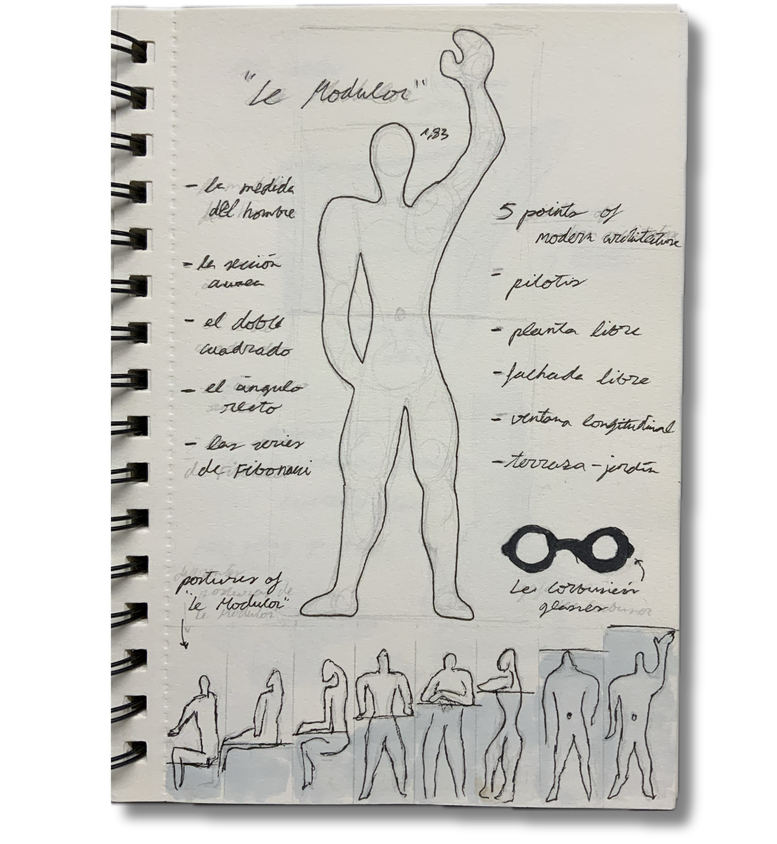
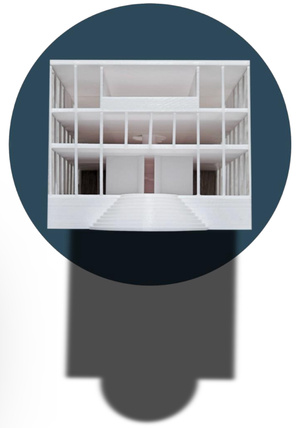
My project consists of a building guided by the principles of Le Corbusier and similar to the ideas of Mies van der Rohe, but with a classical break, featuring a grand circular staircase and a spiral staircase at its center. I played with the pillars to create a series of spaces enclosed by glass and open terraces. The building is partially buried due to the slope of the terrain, offering a different perception of its height from the entrance of the plot compared to the main facade.
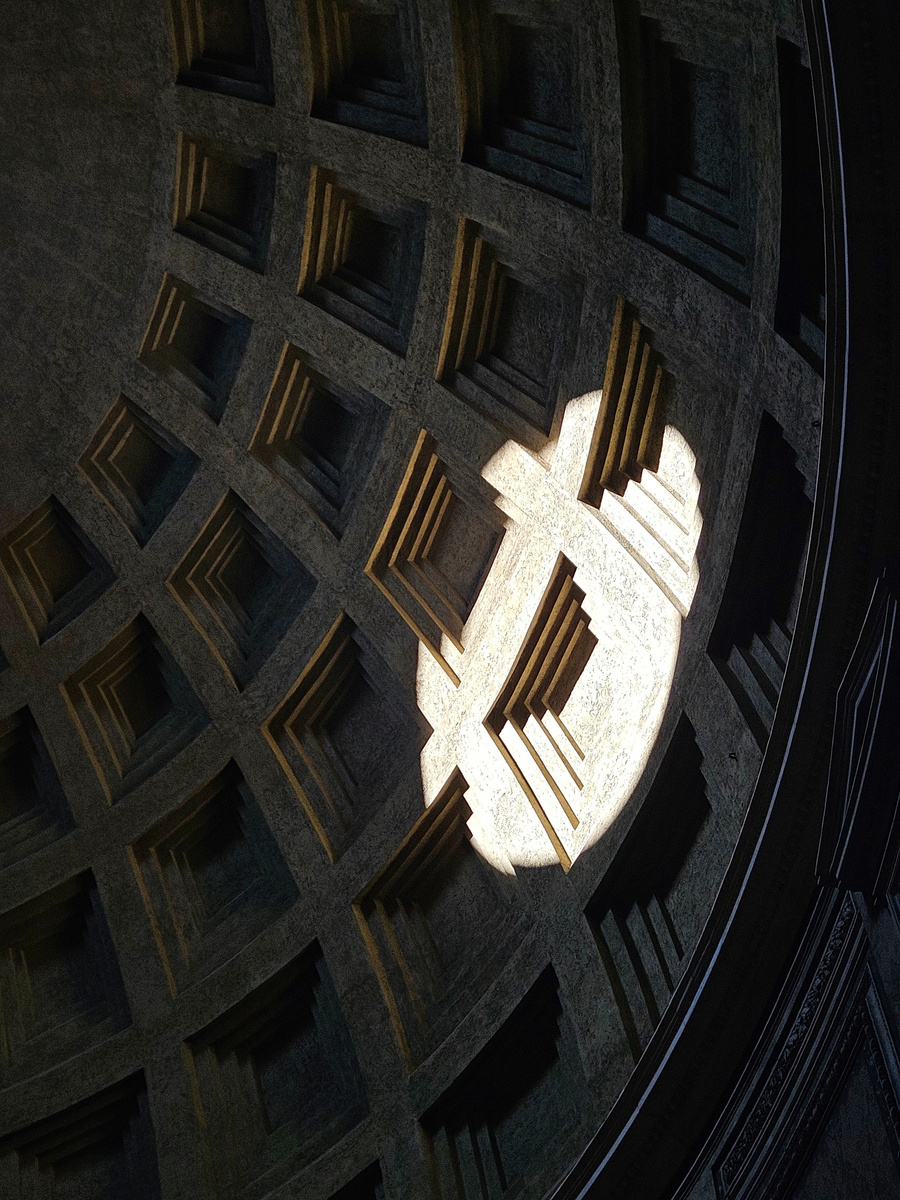
PANTEON
CHURCHES AND CATHEDRALS IN ROME
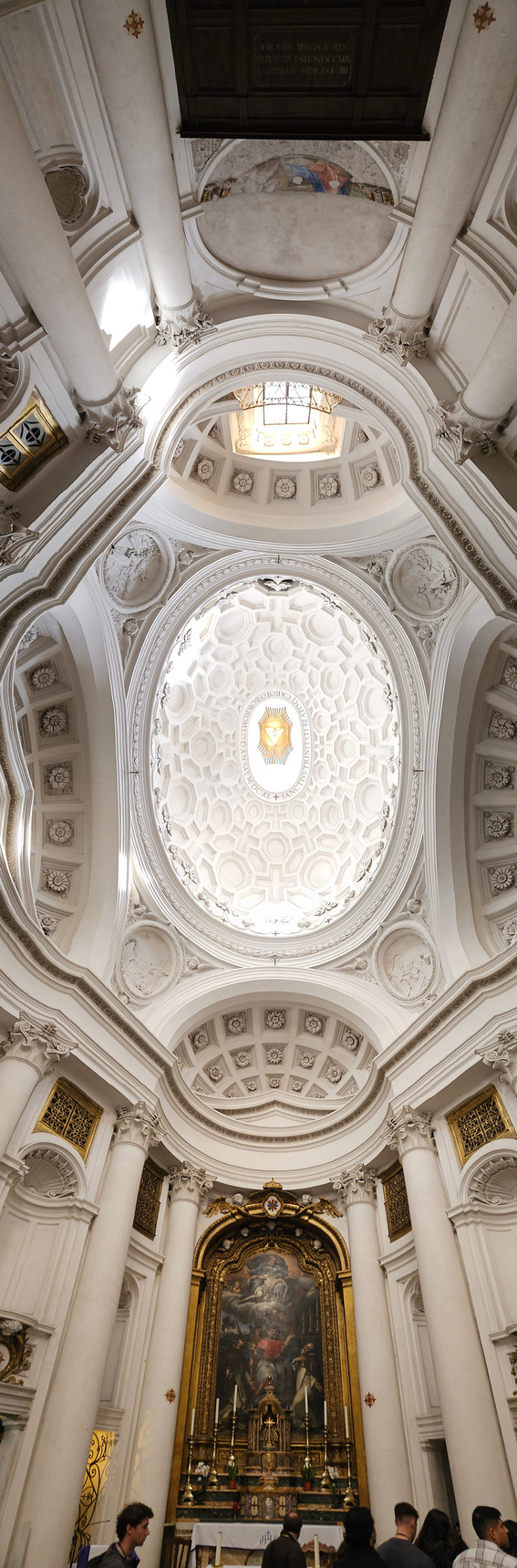
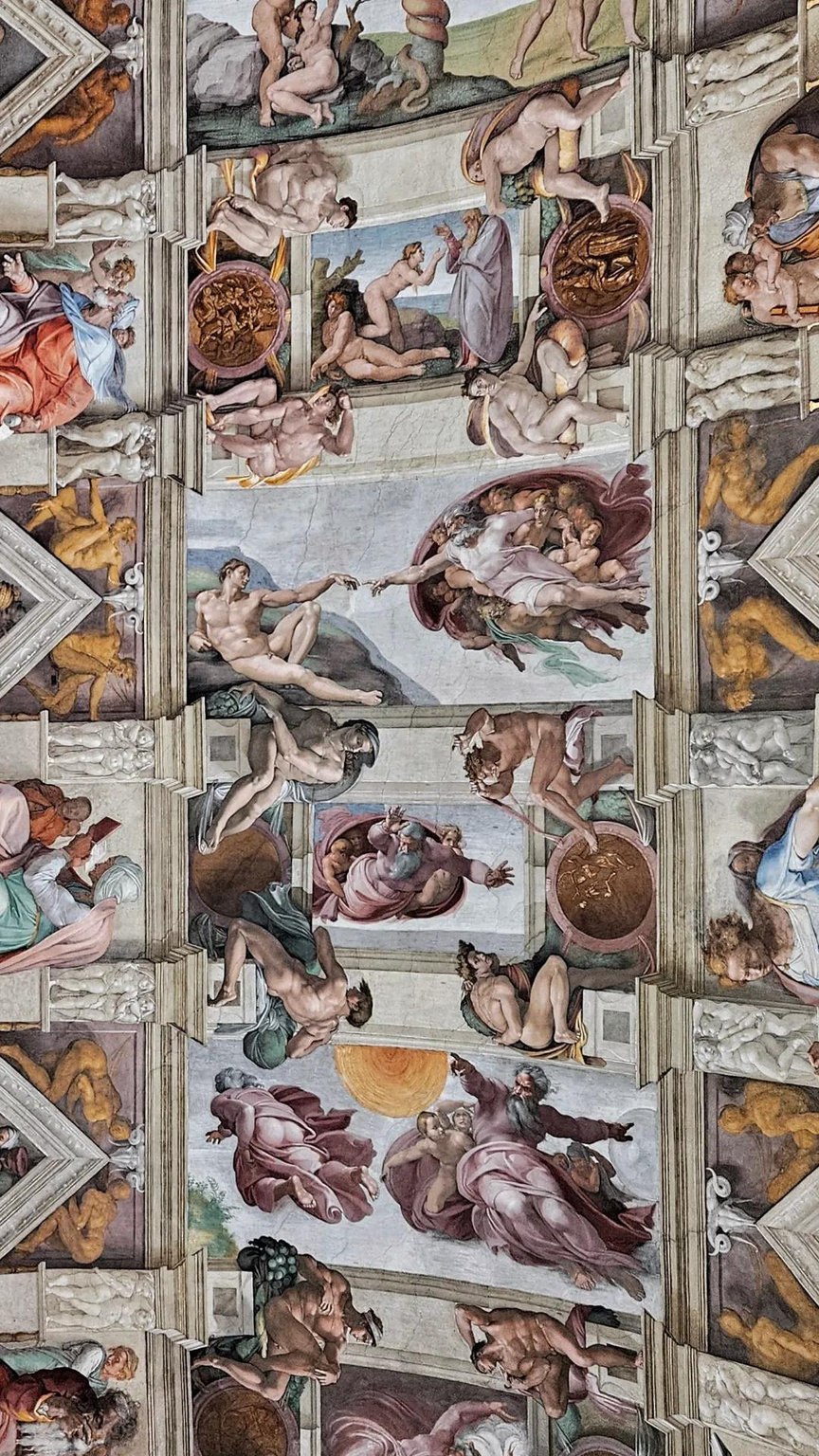
SAN CARLO ALLE QUATTRO FONTANE - borromini
SIXTINE CHAPPEL - michelangello
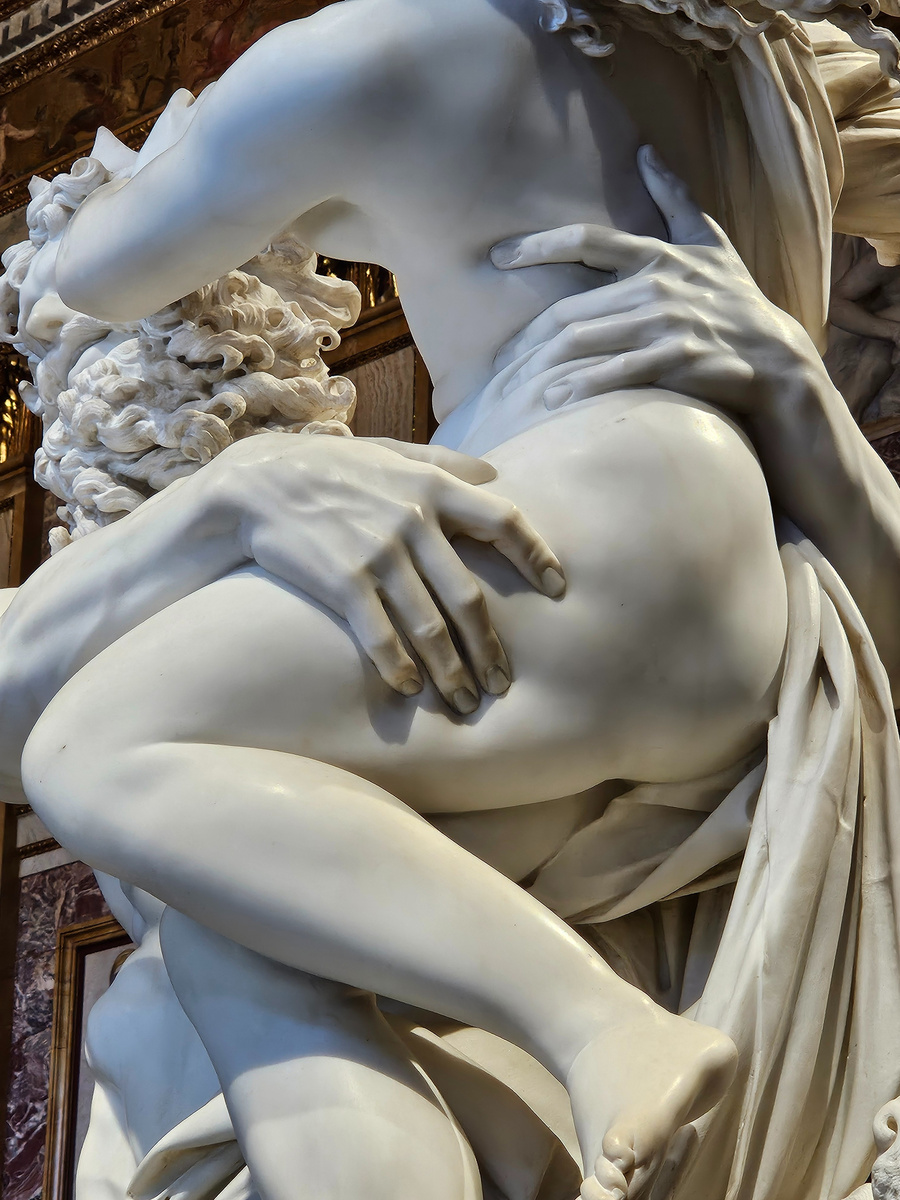
IL RATTO DI PROSERPINA - BERNINI
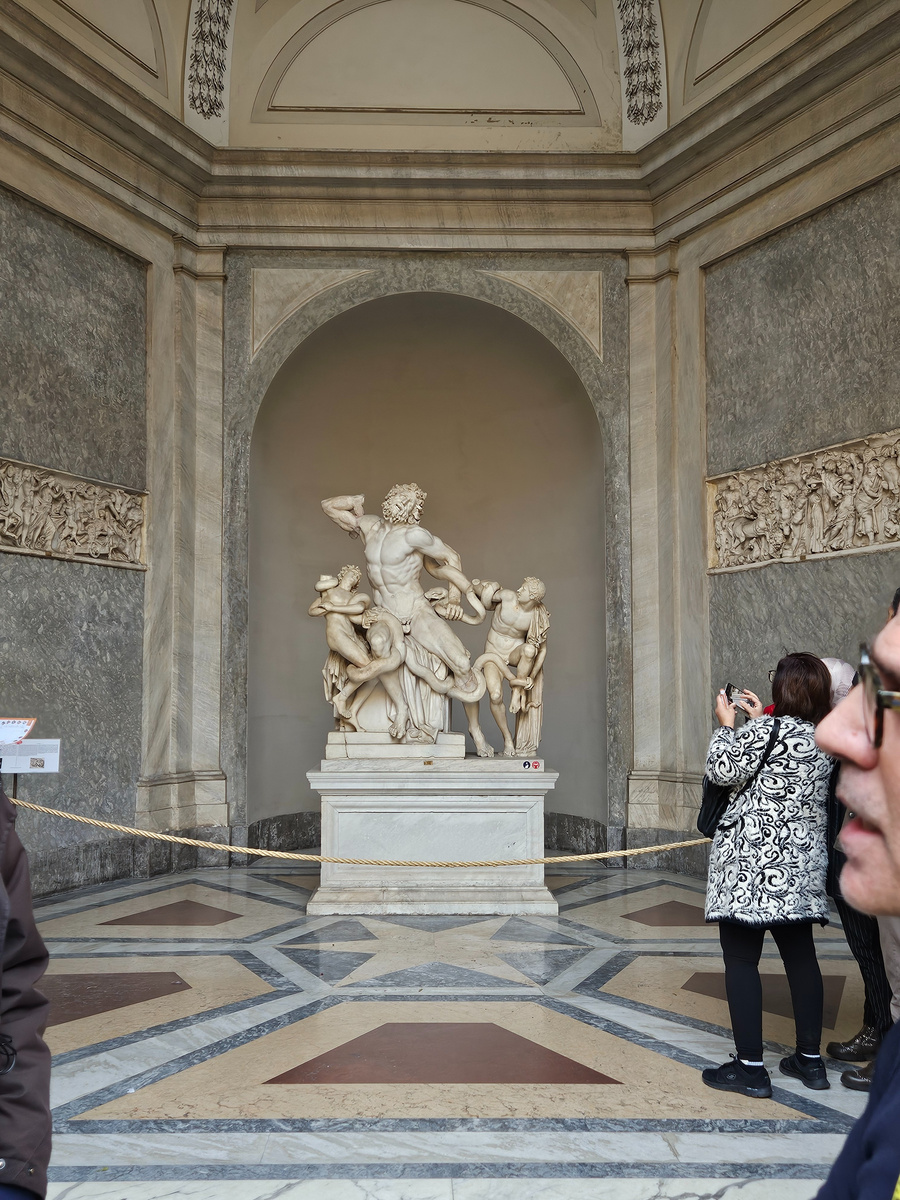
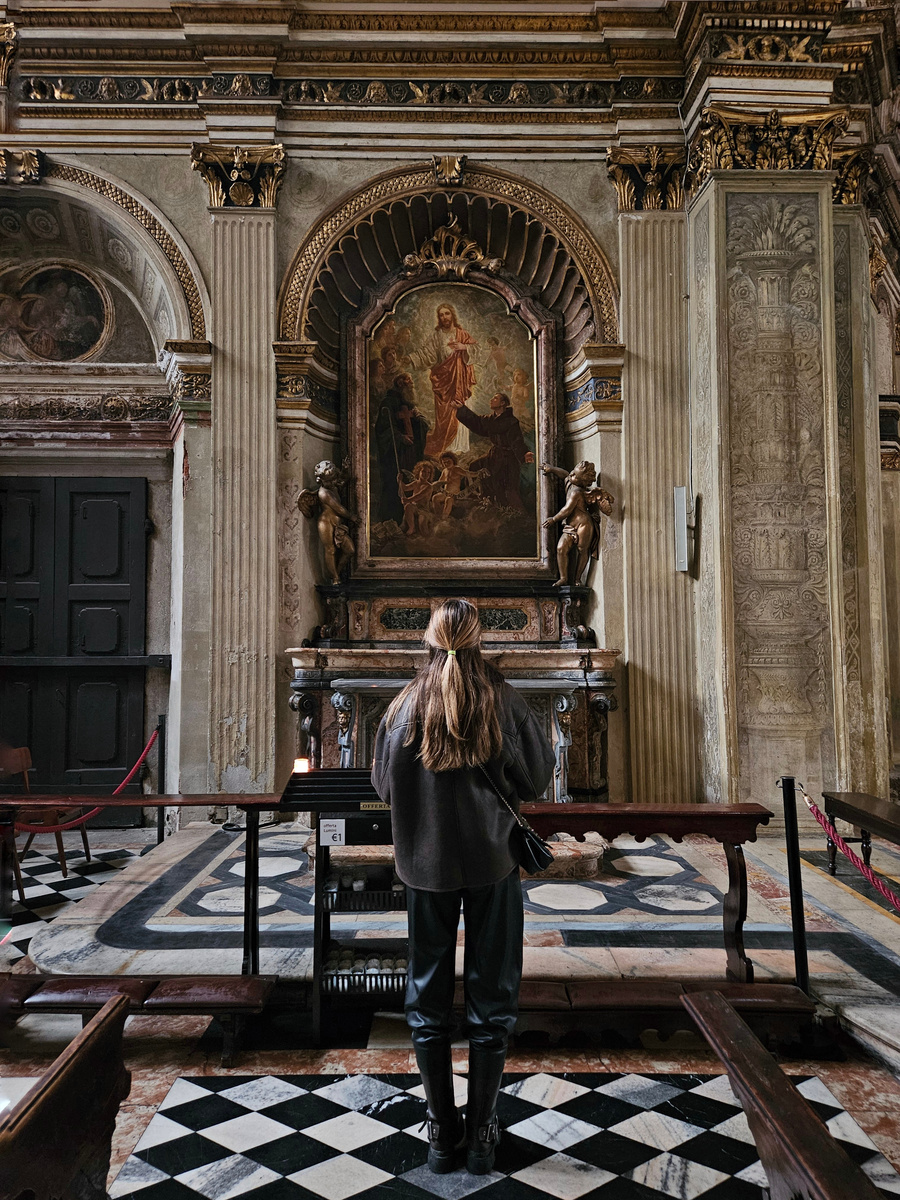
Girl appreciating art
LAOCOÖN AND HIS SONS - VATICAN MUSEUM
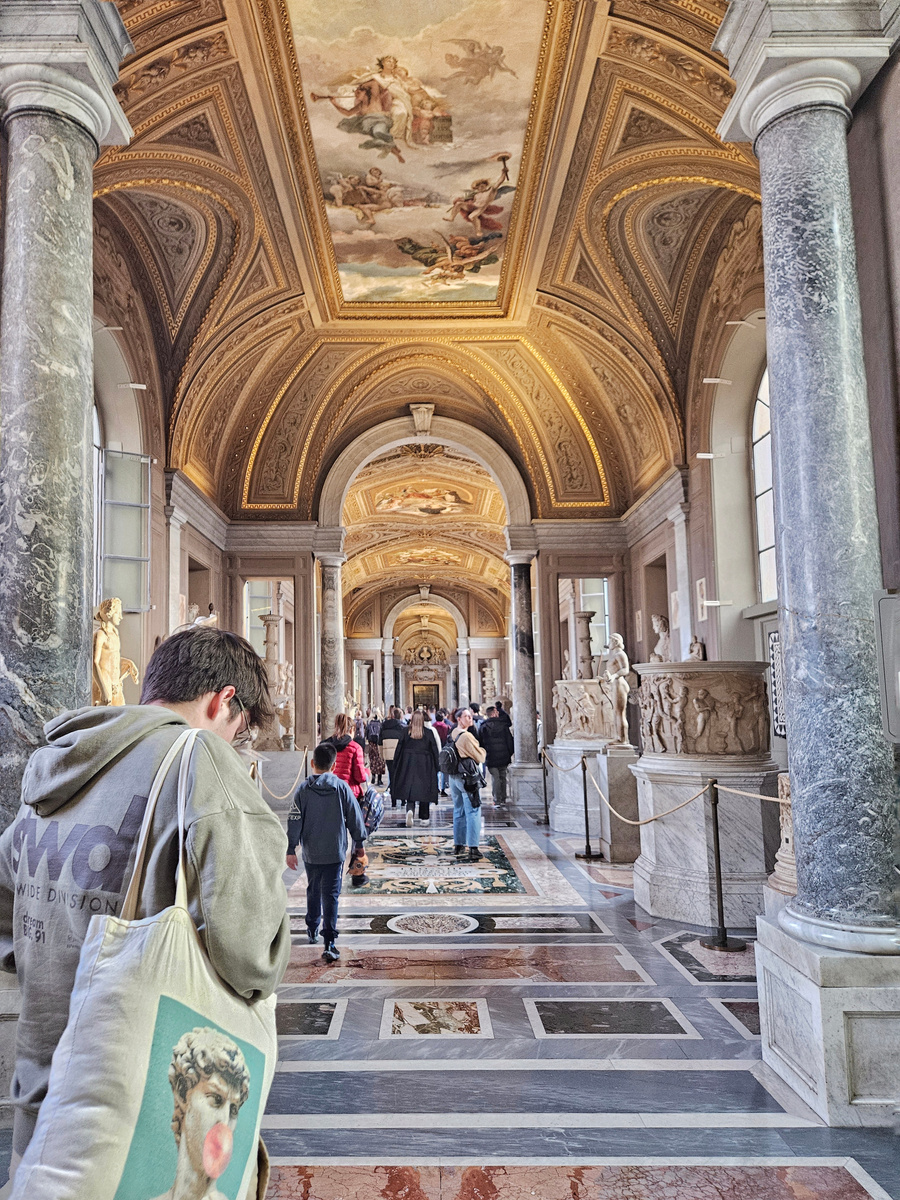
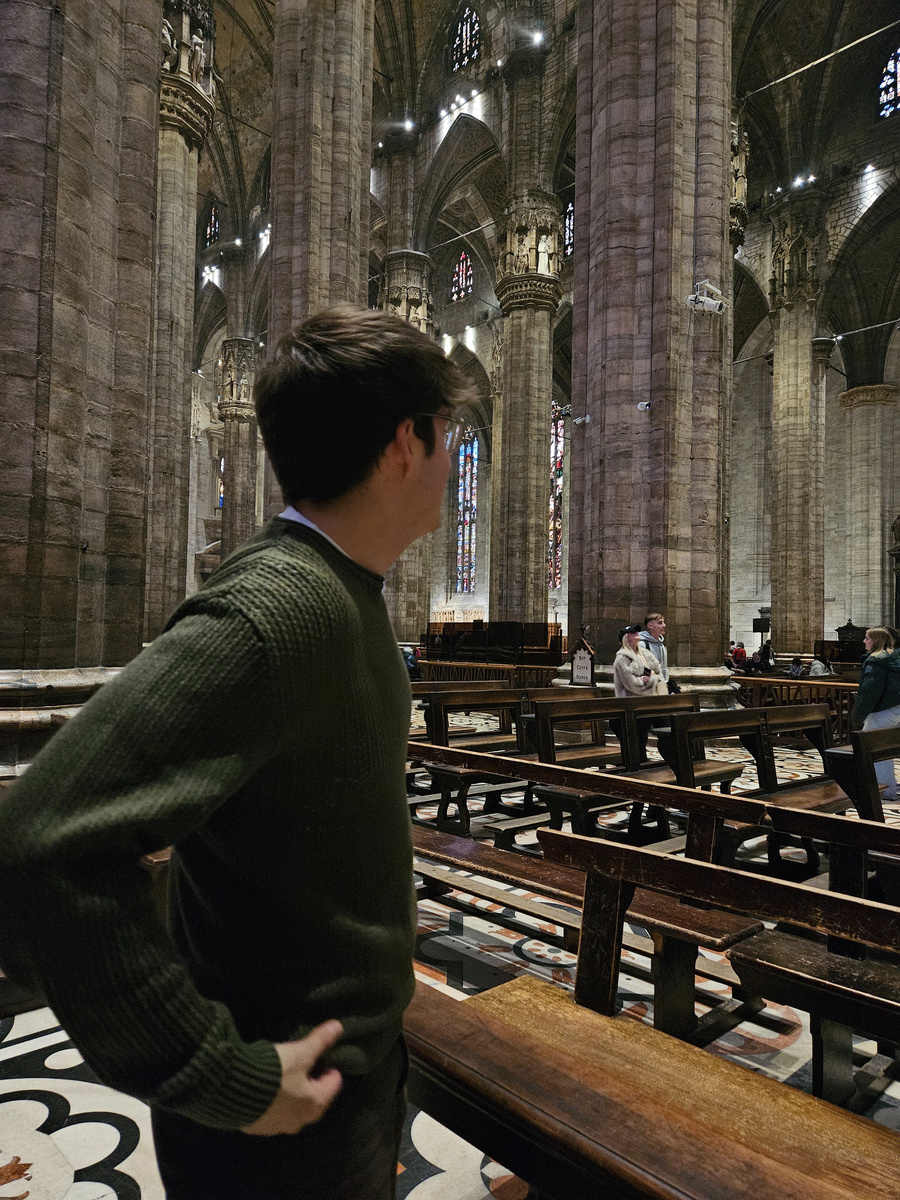
visiting the vatican museum
MILAN’S CATHEDRAL

Metal
Of
ART
The
Metal
ART
Of
THE
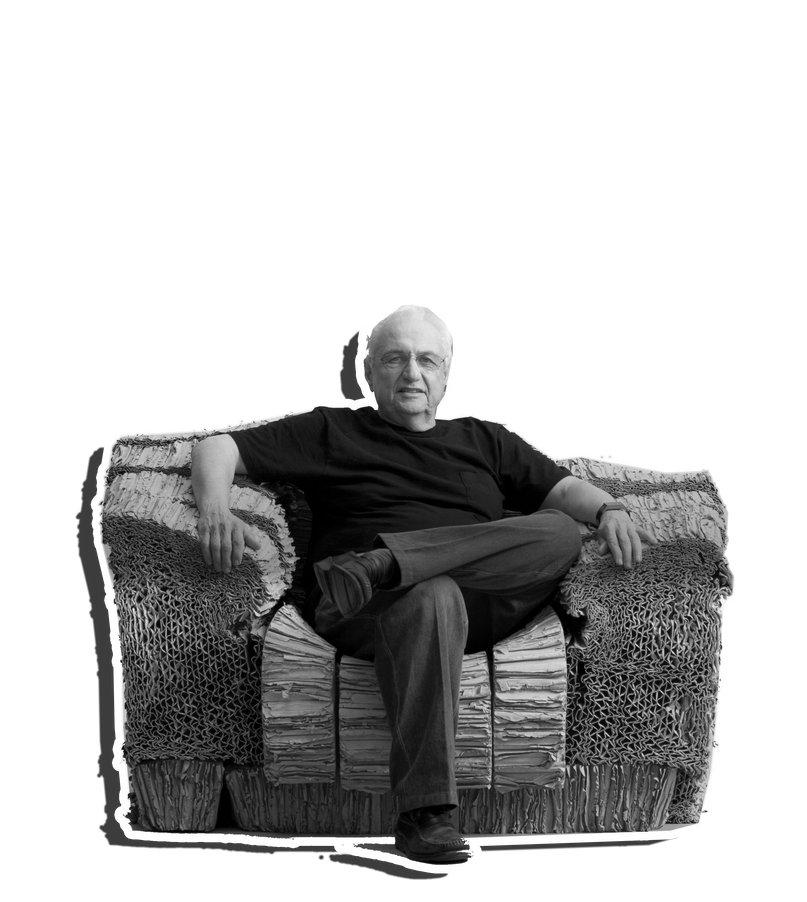
“I DON’T WANT ARCHITECTURE THAT’S DRY AND DULL”
FRANK GEHRY